
01
Understanding the Scale: Skardu as a Valley, Not a Village
“Distances on a map mean nothing when a rockfall closes a lane or a local jeep breaks down on a blind corner.”
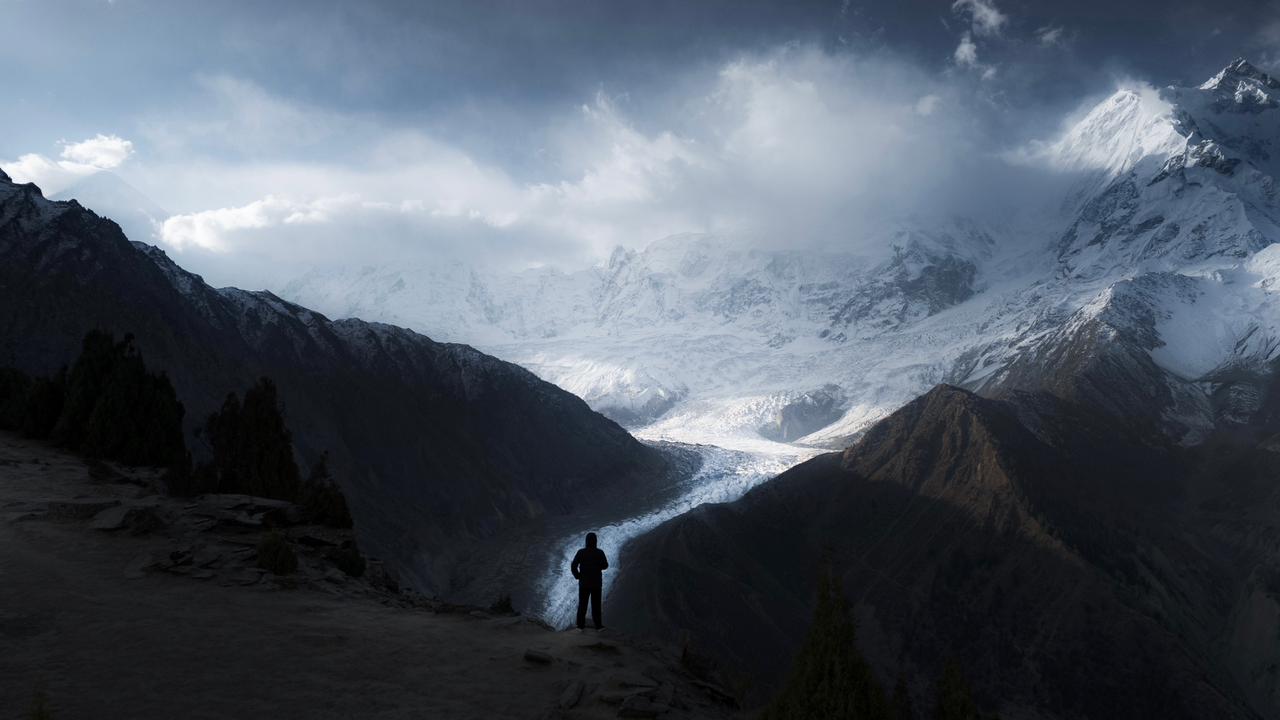
You will cover considerable mileage just fetching cash or bottled water. People arrive expecting a walkable alpine village like those found in the lower glens. The reality is an expansive, dry river basin sitting at 2,230 metres, flanked by grey rock walls that trap the afternoon heat. Getting between the main landmarks requires a reliable vehicle and patience for roadworks.
The Indus cuts straight through the middle of this terrain. Most accommodation sits on the southern side of the river, strung along a few key arteries. The airport anchors the western edge. The old bazaar forms a congested knot in the centre. From there, roads spider outwards toward the lakes and higher valleys.
Selecting your neighbourhood is an exercise in time management. If you position yourself far to the east, a simple trip to Kachura becomes a half-day expedition through city traffic. Opt for the high mountains, and you accept isolation over convenience. Your location dictates whether your evenings end with a quick walk to a tea stall or a silent hour watching the stars.
02
Katpana: The Quiet Edge Between Dunes and Departures
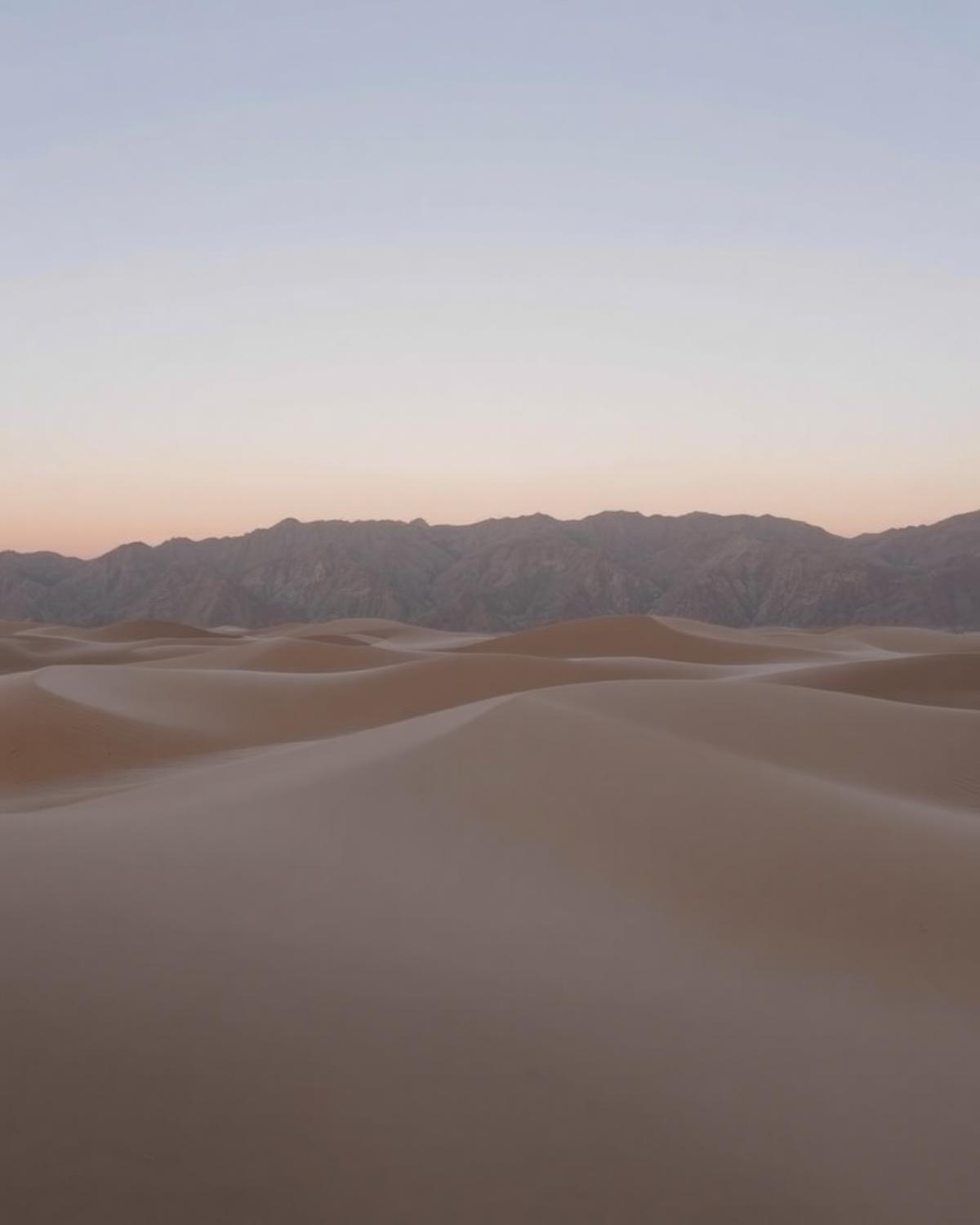
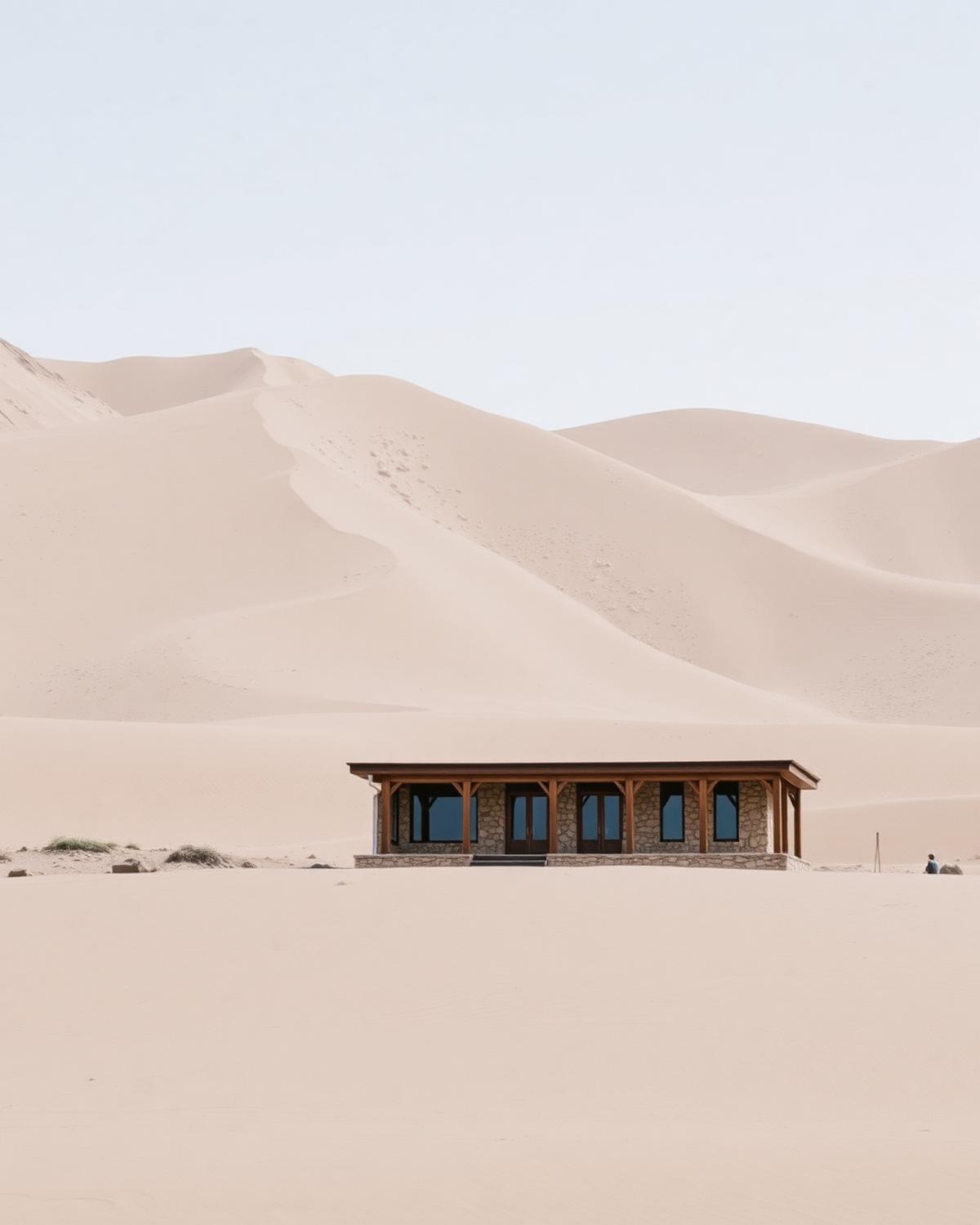
A ten-minute drive separates the runway tarmac from the cold desert dunes. Katpana occupies this crucial western corridor. The air here holds less dust than the city centre, and the evening light catches the sand in pale golds and greys. We established all 16 rooms of Arcadian Resort precisely on this border.
The primary advantage is logistical. Flights back to Islamabad frequently cancel due to changing mountain weather, forcing sudden early departures. By staying here, you can have a hot breakfast from our kitchen at 6 AM and reach the terminal before the queues form. You skip the erratic morning traffic winding out of the central valley.
Yet Katpana is not a bustling commercial hub. You trade immediate walking access to pharmacies and souvenir shops for open skies and silence. Our Deluxe Double Rooms open onto a private balcony with a lake view, while the Economy Single Room suits anyone travelling light and alone. You will need a driver to reach the old fort, but you gain a quiet refuge when the day ends.
View our two room types
Explore Rooms03
The Central Bazaar: Dust, Commerce and Convenience
Horns echo constantly off the tight shopfronts along the main commercial strip. The Skardu bazaar is the undisputed engine room of Gilgit-Baltistan. Porters buy down jackets, mechanics repair battered suspensions, and apricot traders weigh heavy sacks on brass scales. Accommodation here puts you right inside the machine.
Choosing a guesthouse in the centre means you can step outside to find dinner. Dozens of small canteens serve steaming plates of mamtu and heavy curries until late. You will never struggle to find a jeep mechanic or a working ATM. For those travelling entirely by public transport, the bus stands are merely streets away.
That convenience carries a heavy sensory cost. Dust coats every surface by mid-afternoon. Heavy commercial generators hum throughout the night during power cuts, vibrating through single-glazed windows. The early call to prayer rings loudly across the rooftops. It is an intensely practical location, but rarely a restful one.
Location Pros and Cons: City Centre
- Walking Distance
- Immediate access to ATMs, pharmacies and local bus stands.
- Dining Options
- Dozens of cheap local canteens open late into the evening.
- Noise Levels
- High. Expect constant traffic horns and heavy generator vibrations.
- Air Quality
- Poor by mid-afternoon due to diesel fumes and road dust.
04
The Sadpara Road: Climbing Towards the Plateau
Leaving the bazaar to the south, the tarmac tilts abruptly upwards. The Sadpara road traces a steep, winding gorge toward the reservoir. Guesthouses scattered along this route cling to the rocky hillsides, offering elevation and cooler evening temperatures than the basin below.
Altitude changes the atmosphere quickly here. The air feels thinner and sharper. Because this is the primary route up to the Deosai National Park, summer mornings bring a convoy of four-by-fours grinding past in low gear. By late afternoon, however, the traffic vanishes entirely, leaving a deep quiet broken only by the wind off Satpara Lake.
The trade-off involves isolation without complete wilderness. You are still within a twenty-minute drive of the town, but walking back down for a late dinner is impractical. The hillside properties often suffer from weaker mobile data signals, though the sweeping views over the lower valley frequently make up for the dropped calls.
05
Kachura and Shangrila: Enclosed Waters and Apple Orchards
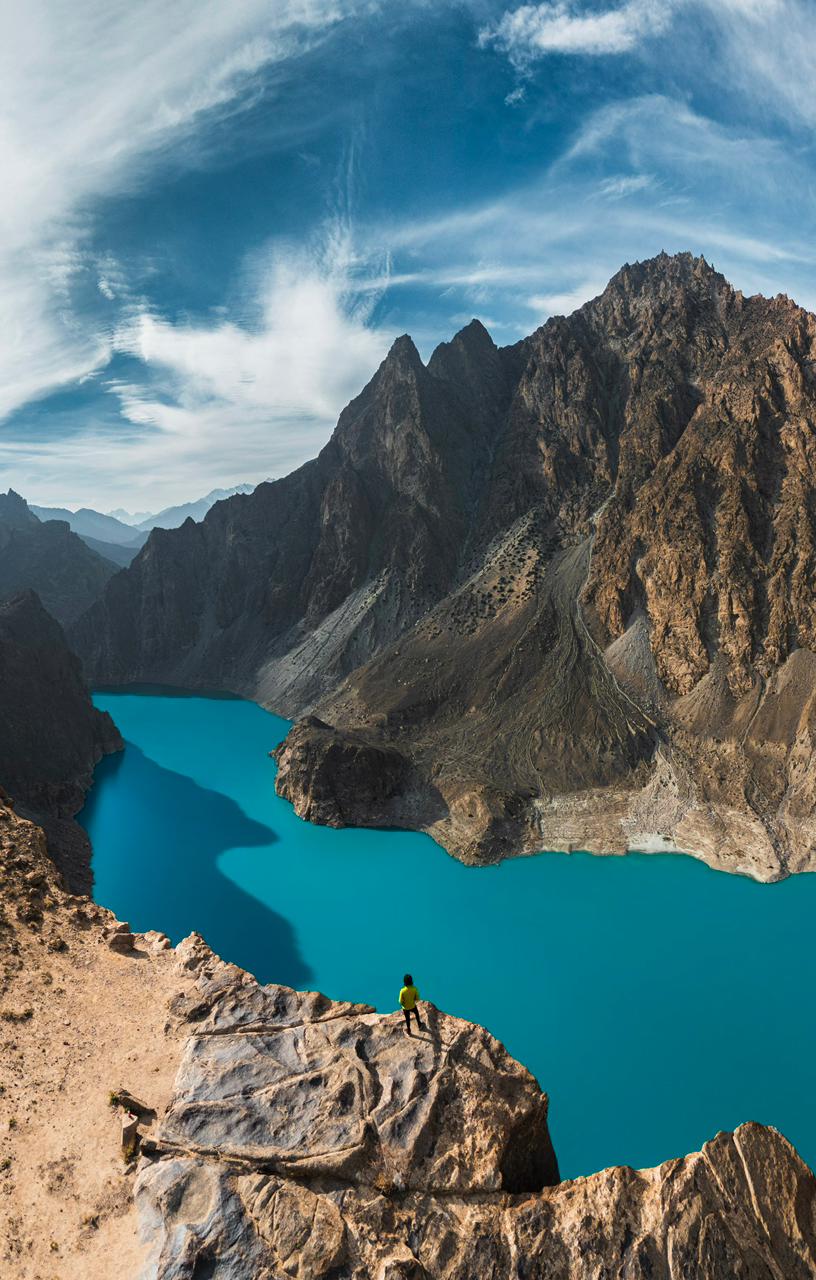
At the far western limit of the basin sits Kachura. The topography turns suddenly lush, dominated by mature fruit trees and two distinct lakes. Lower Kachura, famously home to the Shangrila estate, offers manicured gardens and heavy shade. Upper Kachura requires a short hike but rewards walkers with raw, deep green waters.
Staying in this enclave feels entirely detached from the rest of the region. The thick apple and apricot orchards create a damp, cool microclimate. On particularly hot July afternoons, this shade is a distinct relief. You are only thirty minutes from our front door in Katpana, yet the landscape feels imported from a different province.
Bear in mind the logistical penalty. Every day trip heading east toward Shigar or Khaplu means you must first drive back through the entire length of the Skardu bottleneck. If your itinerary involves daily explorations of the wider Karakoram, a Kachura base will easily add an hour of repetitive driving to every single morning. Whether Kachura is worth basing yourself at, rather than driving out to for a morning, is a question we take apart in the Kachura guide.
06
The Shigar Valley Route: Remote Luxury and Deep Silence
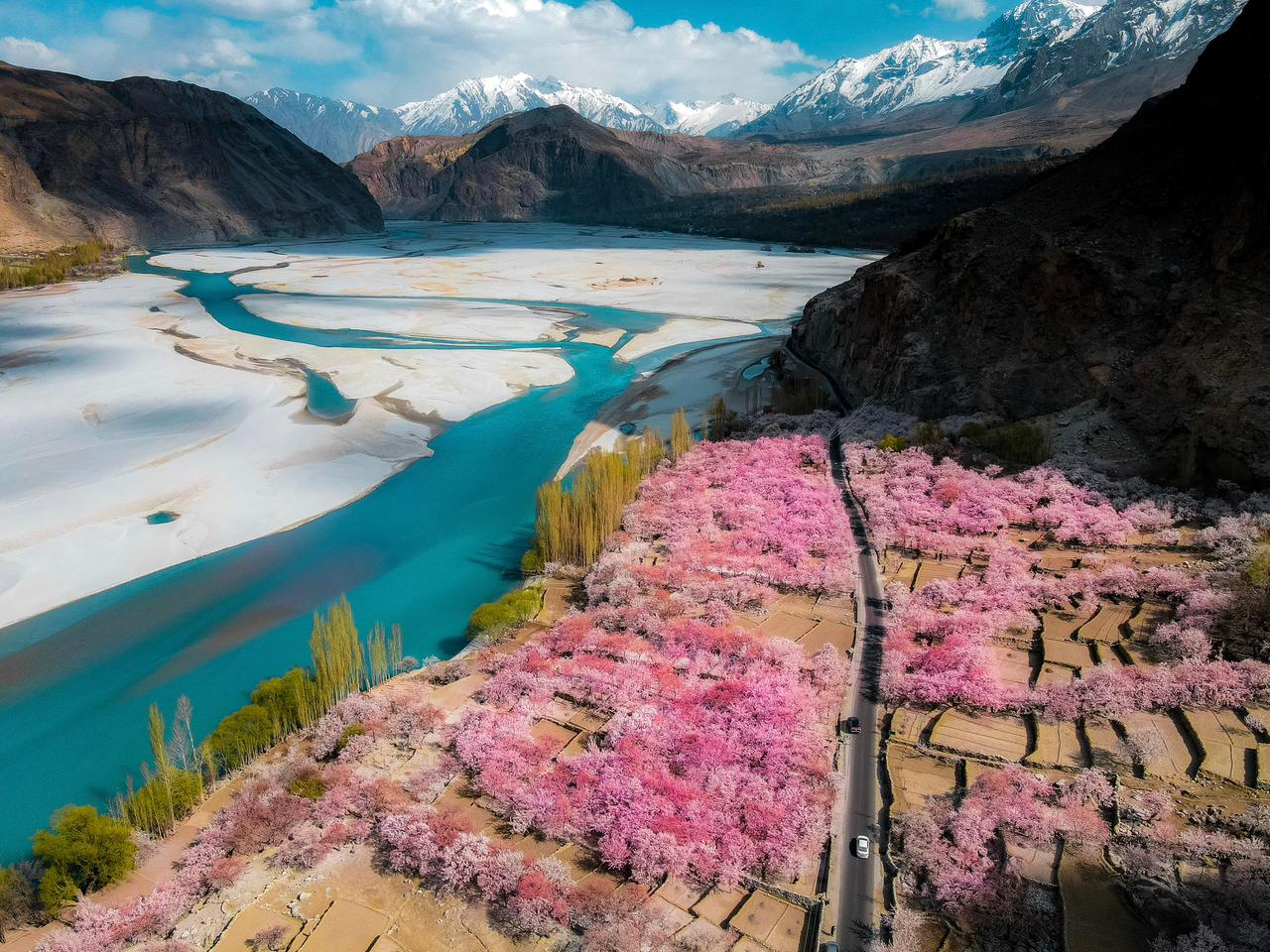
Forty-five minutes north of the main valley, across a narrow suspension bridge, lies Shigar. The Sarfaranga cold desert announces the entrance to this dramatic, steep-sided gorge. Properties here range from ancient restored forts to simple wooden climbing lodges, all shadowed by sheer mountain faces.
Choosing Shigar is an intentional retreat. The light leaves the valley floor early as the sun drops behind the 7,000-metre peaks. Mobile connectivity fades out entirely in certain pockets. For a second or third night in the region, sinking into this heavy, historic silence is often exactly what tired travellers need.
However, using it as a primary basecamp complicates logistics. Driving back and forth across the single river bridge to reach the airport or Deosai burns precious daylight. Our advice is usually to split your stay. Spend your transit and arrival days closer to the runway, then pack a smaller bag for a dedicated two-night stay deep in Shigar.
07
Khaplu and the Eastern Reaches: Journeying Up the Shyok River
Two and a half hours east of our Katpana site, the scenery softens. Khaplu follows the meandering path of the Shyok River. The villages are older, the stone mosques feature intricate Tibetan-style woodcarvings, and the pace of daily life drops to a crawl. It is visually arresting and culturally rich.
Committing to Khaplu means committing to the journey. The road surface degrades in sections, and military checkpoints occasionally slow progress. You do not pop over to Khaplu for a quick lunch. Staying here requires dedicating at least two full days of your itinerary to the eastern sector alone, leaving the Manthokha waterfall for the return leg.
If you only have three nights in the north, skipping this far-eastern arm is a sensible decision. Trying to see everything from a single fixed base guarantees exhaustion. When guests ask our front desk to arrange a day trip here, we always warn them they are facing five total hours inside a moving vehicle. The one exception worth planning around is Khaplu, where a night at the palace in Ghanche makes more sense than a fourteen-hour round trip from your Skardu room.
08
Drive-Time Arithmetic: Calculating Your Daily Transport
Mathematics governs every successful mountain holiday. You must measure your days in hours behind the wheel, not kilometres on the odometer. Distances deceive visitors because mountain roads rarely allow a vehicle to break forty kilometres per hour safely.
Settle near the airport, and your departure morning is a relaxed ten-minute affair. Base yourself in the central bazaar, and reaching the Kharpocho Fort takes fifteen minutes. From our grounds, you can reach Satpara Lake in twenty-five minutes of steady climbing. Shifting your base off the valley floor alters these numbers drastically.
Consider the Deosai National Park excursion. From a Katpana base, it translates into an arduous two-and-a-half-hour ascent on rough terrain. If you start from Kachura instead, you must add another forty minutes just to clear the town traffic before the climb even begins. Combine that with a return leg, and you have lost nearly ninety minutes of daylight simply navigating local congestion.
Realistic Drive Times from Katpana
- Skardu International Airport
- 10 minutes of flat driving, avoiding the central traffic.
- Kharpocho Fort
- 15 to 20 minutes depending on the bazaar congestion.
- Satpara Lake
- 25 minutes of steep climbing out of the basin.
- Deosai National Park
- Roughly 2.5 hours ascending rough, unpaved terrain.
- Khaplu
- 2.5 hours heading east along the Shyok River.
09
Aligning Your Base to Your Travel Style
There is no universal best area. A solo alpinist needs entirely different logistics than a family travelling with toddlers and elderly parents. Sorting through where to stay in Skardu becomes significantly easier once you honestly define what kind of traveller you are.
Couples often prioritise privacy and a clear view. The Deluxe Double Room offers a private balcony where you can take all-day tea in thick bedding, completely removed from the noise of the public areas. You want a location close enough to the sights, but entirely quiet by nightfall.
Business visitors and NGO workers rely on connectivity and quick access to government offices. The central town or the immediate Katpana edge works best. You need a 24-hour front desk, reliable generator backup for laptops, and guaranteed early morning hot water to prepare for off-site meetings.
Families and Multi-Generational Groups
Families need space, reliable heating and fast exits. Heavy town traffic limits children from running safely outside. A spacious resort setting on the valley floor provides secure garden aspects. Our Deluxe Double Room gives older relatives and children the extra space to spread out while remaining close to the dining room.
Photographers and Early Risers
Photographers chase the golden hours. Staying in the deep gorges of Shigar limits your dawn light. Positioning near the dunes allows you to step outside at 5.30 AM and immediately capture the pale morning sun hitting the Karakoram, without needing to wake a driver.
10
Seasonal Shifts: How the Calendar Dictates Your Location
Temperatures swing violently across the year. The month you travel heavily influences which neighbourhood will feel comfortable. In April, the cherry blossoms erupt, but the night air remains bitterly cold. High-altitude guesthouses on the Sadpara road often struggle to keep rooms warm during these early spring weeks.
July brings the intense summer heat. The valley floor bakes under a relentless sun, making the shaded orchards of Kachura highly sought after. If you stay closer to town during peak summer, air conditioning and afternoon breezes off the desert become crucial. Dust levels also spike as the dry earth is churned by maximum tourist traffic.
October provides the clearest skies and the sharpest cold. Autumn foliage turns the orchards bright yellow. The wood-burner in our common room runs constantly from October onwards to combat the dropping evening temperatures. Staying lower in the valley during autumn ensures you avoid the heavy frosts that arrive early in the higher passes.
Call us to secure your room
Book NowQuestions
Frequent Questions About Skardu Locations
First-timers should base themselves on the valley floor, ideally on the western edge near Katpana. The central town is often too chaotic, while Shigar or Khaplu are too remote for initial acclimatisation. Staying slightly out of the bazaar gives you a peaceful introduction to the Balti landscape. It provides easy access to the main roads heading to Deosai or Satpara Lake while avoiding the heavy diesel traffic that clogs the inner commercial streets.
Rooms & prices →Finalising Your Karakoram Basecamp
Finding the right accommodation in Skardu comes down to honest arithmetic. You trade the immediate walkability of the dusty bazaar for the quiet desert edge, or you swap the convenience of the valley floor for the dark silence of a remote gorge. No single location provides everything.
We built our sixteen rooms to solve the logistical headaches of mountain travel. We offer reliable early morning hot water, an owner-host and kitchen fluent in Balti cooking, and a position that keeps the runway miraculously close while maintaining the Karakoram views.
If your itinerary demands an early flight out or quick access to the Katpana dunes, we have a room waiting. Call our front desk on 0310 0973119 or reach out via WhatsApp to discuss which floor suits your plans best. With exactly sixteen keys, our calendar fills quickly between April and October. Staying on the Katpana side also puts you on the right edge of town for the early start to Deosai National Park.
Keep reading