
At a glance
Skardu to Hunza at a glance
- Distance
- About 310 km by the sum of the published road lengths; route planners commonly quote 289 km
- Realistic drive time
- 7-9 hours from our gate to Karimabad, with stops
- Route
- Skardu - Jaglot (S-1) - Gilgit - Nagar - Karimabad (Karakoram Highway)
- Road surface
- Metalled the whole way; an ordinary saloon car is fine in season
- 4x4 needed?
- No. Not for this route, in normal conditions
- Altitude profile
- Skardu 2,230 m, down to Gilgit 1,500 m, up to Karimabad 2,500 m
- Best departure
- Six to seven in the morning from Katpana
- Season
- Comfortable May to October; possible but unreliable in deep winter
- Fuel
- Fill in Skardu, top up in Gilgit. Treat everything between as a bonus
- Public transport
- NATCO and private vans run Skardu-Gilgit; change at Gilgit for Hunza
- Permits
- None required for this route. Carry CNIC or passport; checkposts record details
01
How far is Skardu to Hunza, really?
Why the number changes depending on who you ask.
Add up the published road lengths and you get about 310 kilometres: 167 km on the S-1 from Skardu to Jaglot, 45 km north from Jaglot to Gilgit, and around 100 km on from Gilgit to Karimabad. Route planners and travel sites commonly print 289 km instead, which is why you will see both figures quoted confidently on different pages.
We would not lose sleep over the difference. On this road the kilometres are close to meaningless — what determines your day is the gorge section, how long you sit at checkposts, whether anything has come down on the highway overnight, and how many times you stop for photographs, which will be more often than you plan for. Budget by hours, not by distance.
One thing worth being clear about at the outset: Hunza is not a town you arrive at. Karimabad, at about 2,500 metres, is the usual base and the place most people mean when they say Hunza. Aliabad, a few minutes below it on the highway, is where the bus stand and much of the everyday commerce are. If you are booking accommodation at the far end, check which of the two you are actually being offered.
02
Leg one: Katpana to Jaglot on the S-1
167 kilometres of Indus gorge, and the road's own recent history.
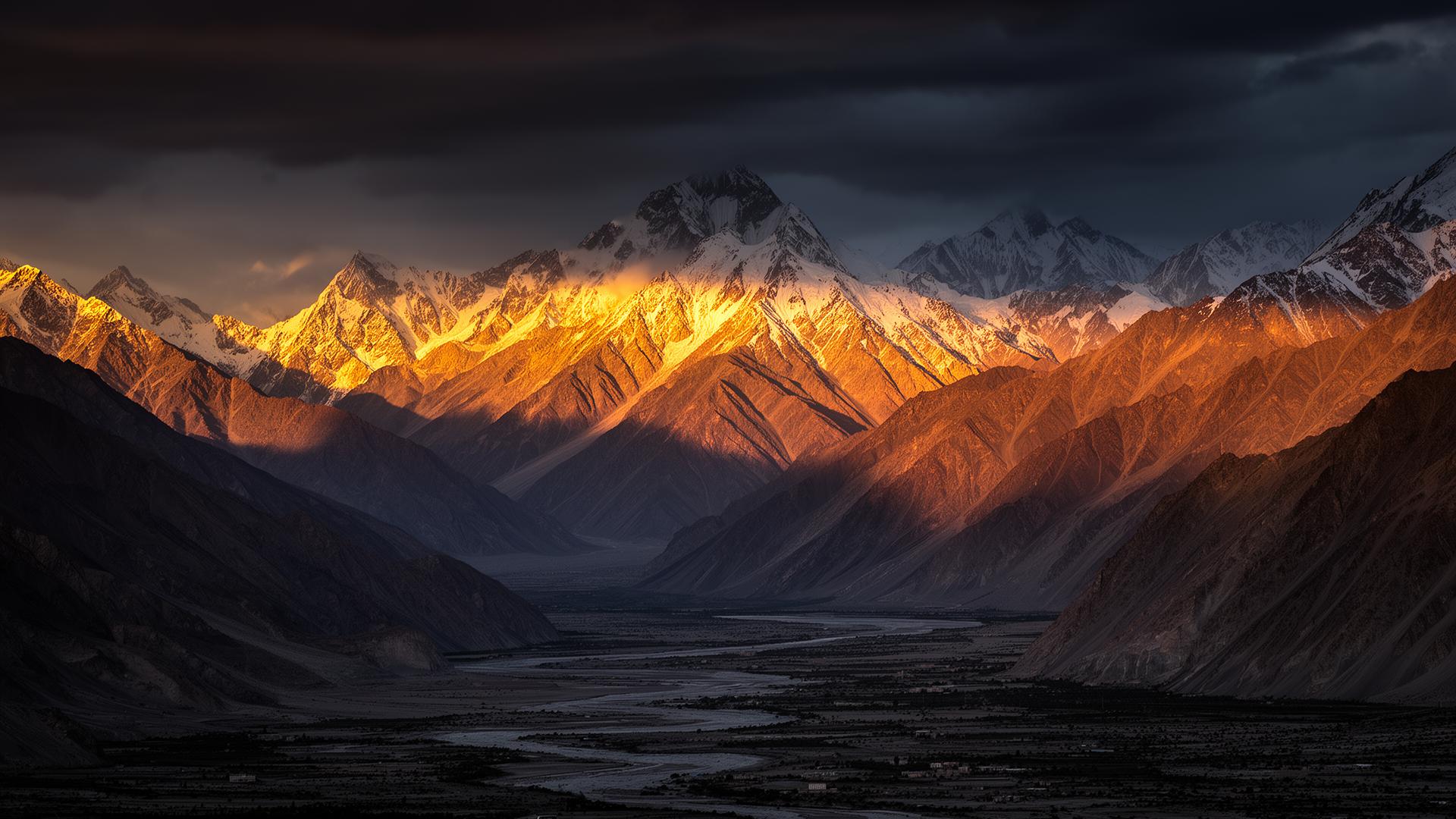
This is the leg that defines the day. From our gate you drop through Skardu, pick up the Skardu road west, and then follow the Indus downstream in a gorge that goes on for four hours. The S-1 was originally built by the Pakistan Army Corps of Engineers between 1970 and 1982, and for most of its life it was a narrow, broken, genuinely frightening road. Its reputation locally was not good.
That changed. The widened and rebuilt 167-kilometre road was inaugurated in December 2021, and the upgrade is credited with cutting the Jaglot-Skardu journey from around ten hours to about four. Our guests who drove it before and after do not need convincing — it is now two metalled lanes with barriers on the exposed sections, and an ordinary car handles it comfortably.
What has not changed is the terrain. It is a gorge road cut into loose rock above a large river, so rockfall is a permanent feature rather than an occasional event, and it is at its worst in spring melt and after rain. Repairs close a lane at short notice. There is very little on this stretch: no proper restaurants, few shops, sporadic mobile coverage, and long sections with no settlement at all. Leave Skardu with a full tank, water, and something to eat, and use the bathroom before you go rather than hoping.
The four-hour figure is the road's capability, not a promise. With a family, a bathroom stop, a checkpost and two photographs, our guests routinely take four and a half to five hours to Jaglot. That is normal and nothing has gone wrong.
03
Leg two: Jaglot, and the junction of three mountain ranges
Forty-five kilometres, one landmark and the last proper town.
Jaglot sits at 1,988 metres where the Skardu road meets the Karakoram Highway, about 45 kilometres south-east of Gilgit. It is also the point where the Karakoram, the Hindu Kush and the Himalaya meet, and there is a signposted viewpoint for it. Whether the view justifies the billing is a matter of taste — the ranges do not helpfully label themselves — but it is a reasonable place to get out, stretch, and register that you have left Baltistan and entered the Gilgit side of the region.
Turn north here and you are on the KKH. Gilgit is an hour away and it is the last town on the route with proper banks, ATMs that usually work, pharmacies, mechanics and a choice of fuel. If you need a local SIM, cash, or anything repaired, do it in Gilgit rather than assuming Hunza will have it. Lunch here is also the natural break in the day: you have done the hard five hours and have the pretty two or three ahead.
One correction we make often at the front desk: the Nanga Parbat viewpoint at Raikot Bridge is not on this route. It lies well to the south of Jaglot on the road towards Chilas, in the opposite direction from Gilgit. Several itineraries sold online quietly imply you pass it on the way from Skardu to Hunza. You do not.
04
Leg three: Gilgit to Karimabad through Nagar
A hundred kilometres, two to three hours, and the best of the drive.
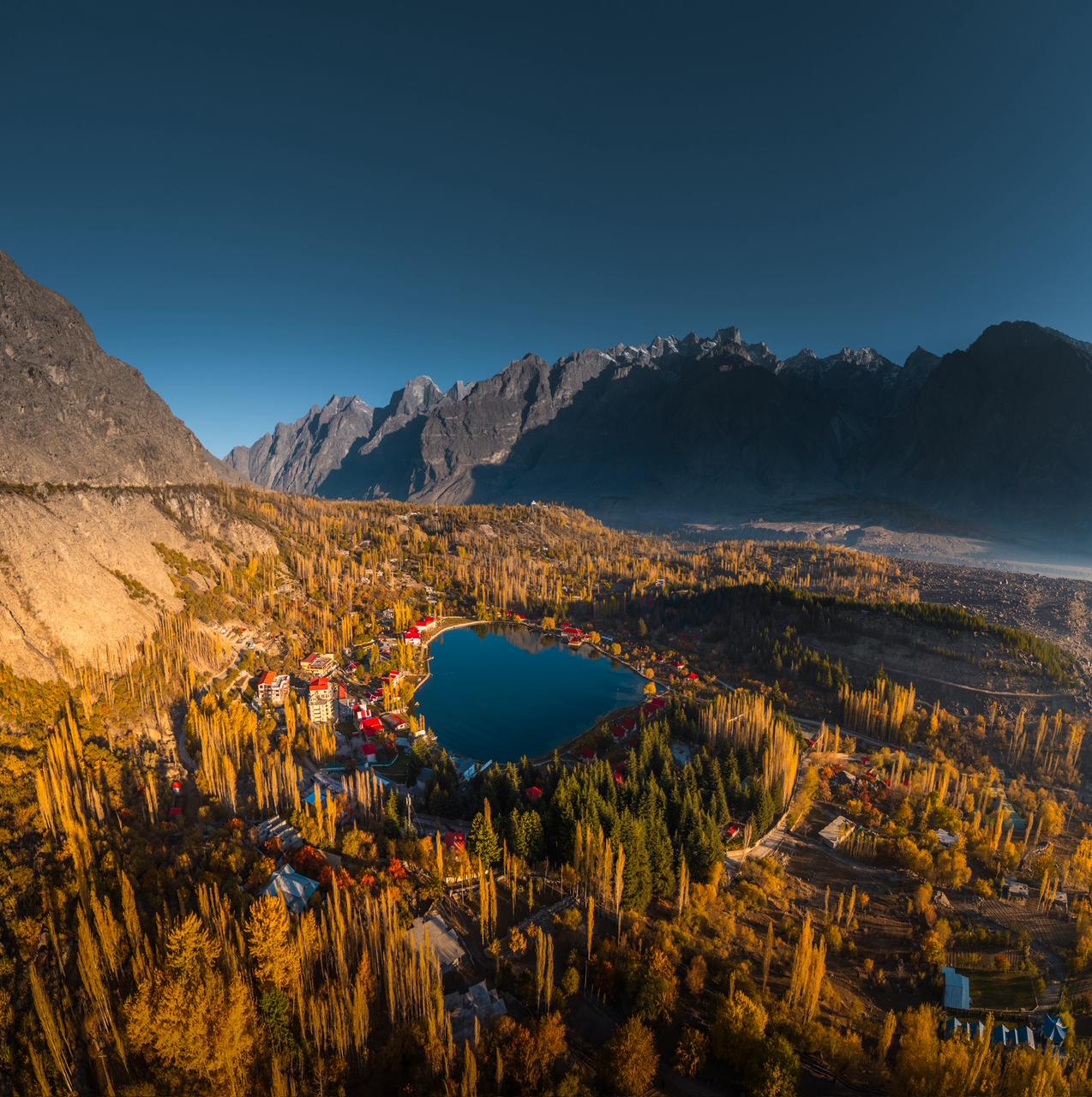
The last leg is the one people remember. It runs roughly 100 kilometres north from Gilgit and takes two to three hours, climbing steadily from Gilgit's 1,500 metres to Karimabad's 2,500. The valley opens out, the river turns, and the peaks stop being a wall and start being individuals.
The obvious stop is the Rakaposhi View Point at Ghulmet in Nagar valley, on the highway between Gilgit and Hunza, sometimes signposted as Rakaposhi Zero Point. Rakaposhi is 7,788 metres and the viewpoint is genuinely close to it; there are tea stalls and, in season, a certain amount of crowd. Allow half an hour. If the top is in cloud when you arrive, it is often clearer on the return journey, so do not force it.
From there it is a short run to the turning up to Karimabad, which climbs off the highway on a steep, narrow road. Cars manage it; large vans sometimes struggle to turn at the top. Arrive with daylight if you can — finding a guesthouse on that hill in the dark, in a town where the lanes are not built for cars, is the least pleasant twenty minutes of the day.
05
How long the Skardu to Hunza drive actually takes
Why five to six hours is the number you will read, and seven to nine is the number you will drive.
A great many pages quote five to six hours for Skardu to Hunza. That figure appears to come from stringing together the best-case time for each leg and assuming nobody stops. We have never had a guest do it in five.
Seven hours is a good day: an early start, one proper meal in Gilgit, two short stops, no obstruction. Eight to nine is more typical with a family, in high season when the Rakaposhi viewpoint is busy, or if roadworks are running on the gorge section. Nine or more happens when something has come down on the highway, which in July and August is not rare.
The practical consequence is about departure time, not driving speed. Leaving Katpana at six in the morning gives you the whole margin you need and gets you into Karimabad in good light. Leaving at ten means arriving in the dark on the last, narrowest, least familiar part of the route. Our kitchen will do breakfast early or pack it for the car if you tell the front desk the night before; this is the single most useful thing we can do for guests making this drive.
What actually costs you time
- Checkposts
- Routine, but slower for foreign nationals. Carry passport photocopies.
- Roadworks on the S-1
- Single-lane control on the gorge stretch. Unannounced and unavoidable.
- Rockfall and slides
- Worst in spring melt and after summer rain. Can be minutes or half a day.
- The Rakaposhi viewpoint
- Thirty minutes if you are disciplined, an hour if you are not.
- Lunch in Gilgit
- Worth an hour. The alternative is eating badly in the car.
- Photographs
- Everybody underestimates this. Add an hour and stop resenting it.
06
Getting from Skardu to Hunza without your own car
Buses, shared vans, hired cars and the connection nobody tells you about.
There is no direct scheduled bus from Skardu to Hunza. Every public option involves changing at Gilgit, and that change is the part that catches people out.
Bus and shared van to Gilgit
NATCO, the state-owned Northern Areas Transport Corporation and the largest transport company in Gilgit-Baltistan, runs the Skardu-Gilgit corridor, alongside private coaches and the shared Toyota vans that are the region's real workhorse. Departures are mostly early morning. Fares are modest and change often enough that we will not print one; ask us the day before and we will telephone the stand.
The vans are quicker than the coaches and considerably less comfortable. Either way you are looking at roughly five hours to Gilgit, sometimes more, and you will be dropped at a bus stand rather than at a hotel.
Gilgit to Hunza
From Gilgit, vans and buses run up the KKH towards Aliabad, which is the stop for Karimabad; the main Hunza bus stand is on the highway at Aliabad, and Karimabad is a short taxi ride up the hill from there. Services thin out through the afternoon. If your Skardu bus is late leaving or slow on the gorge, you can arrive in Gilgit to find the good Hunza connections gone, which is how people end up spending an unplanned night in Gilgit.
If you are travelling by public transport, plan on breaking the journey in Gilgit deliberately rather than gambling on the connection. It is a better night than the one you get by accident.
Hired car with a driver
For two or more people this is what we recommend and what most of our guests do. A car with a local driver does the whole run door to door in a day, stops where you want, and removes the Gilgit connection problem entirely. Rates depend on the vehicle, the season and the fuel price, and they are negotiated rather than posted; the front desk will tell you what guests paid that week and arrange a driver who knows the road. A saloon car is adequate for this route in season — you are not paying extra for a 4x4 unless you want one for comfort.
Flying
There is no air link between Skardu and Gilgit or Hunza. Flying between the two means going back to Islamabad and out again, on two weather-dependent mountain routes, which is worse in every respect than driving. If your Skardu flight has already been cancelled and you are improvising, the road to Gilgit is the reliable move.
07
Is there a route to Hunza via Deosai?
Yes, and for almost everybody it is the wrong answer.
Some operators offer a summer alternative that leaves Skardu over the Deosai plateau, drops to Astore, and rejoins the Karakoram Highway further south before turning north for Gilgit. Published figures for it vary widely — around 330 kilometres and eight hours is the number most often quoted — and we would treat any single number for that route with suspicion.
It is a fine journey and a poor transfer. The Deosai crossing is high, unsurfaced in long stretches, seasonal, and needs a 4x4 and a driver who has done it. Doing it in one push to reach Hunza means spending the best part of Deosai driving through it at speed, then arriving somewhere late and tired.
Our advice to guests is unromantic: if you want Deosai, give it its own day or two from Skardu and come back, then take the tarmac to Hunza the following morning. If you genuinely want the crossing as a journey, build a night at Astore into it and treat it as two days.
08
When to make the drive
Season by season on the S-1 and the KKH.
May and June: the road is open and green, and this is also the peak of snowmelt, which is when rockfall on the gorge is most active. Fine, but check before you leave.
July and August: the warmest and busiest months, with the most traffic on the KKH and the highest chance of a monsoon-edge downpour bringing something down. Also the most likely months to be delayed for a few hours by a slide. Start early and carry more water than you think.
September and October: the best window for this drive, as it is for most things in Baltistan. Clear air, low haze, thin traffic, and the poplars turning along the river. If you can choose, choose this.
November to March: the road is not formally closed and does get driven, but snow, ice on the shaded gorge sections and short daylight change the calculation completely. In deep winter we would not put a guest in a car for this journey without a local driver and a flexible plan at the far end.
09
What to carry for the day
Packed for a long mountain road day
- Cash in small notes
- Fuel, tea, tolls and tips. ATMs are a Gilgit thing, not a roadside thing.
- CNIC or passport, plus photocopies
- Checkposts record details. Copies speed it up considerably.
- Water and food for the gorge
- There is effectively nothing between Skardu and Jaglot.
- A warm layer, whatever the month
- You climb a thousand metres in the last two hours.
- Motion sickness tablets
- It is four hours of continuous bends. Children particularly.
- A charged power bank
- Coverage is patchy in the gorge; SCOM has the widest reach in Gilgit-Baltistan.
- Sunglasses and sunblock
- Sun through a windscreen at altitude for eight hours is not nothing.
10
How to fit Skardu and Hunza into one trip
The sequencing that works, and the mistake we see every season.
The common mistake is treating the two valleys as interchangeable halves of one holiday and giving each three days with a travel day glued on. What happens is that the travel day eats a day at each end, and guests leave feeling they saw neither properly.
What works better is to treat the drive as its own day and be honest about it. Fly into Skardu, give Baltistan four or five nights, drive to Hunza on a day you have already written off for driving, and give Hunza three or four. Coming back the other way, fly out of Gilgit or drive down the KKH to Islamabad rather than doubling back over the same gorge.
The other practical point is where you sleep the night before. The drive is decided at six in the morning, not at noon, and starting it from Katpana — ten minutes from the airport, with the kitchen willing to do breakfast at half past five — is materially easier than starting it from somewhere in the bazaar with a car you have to find. Guests going on to Hunza usually spend their last Skardu night with us for exactly that reason, and we send them off with a flask.
Driving to Hunza in the morning? Tell us the night before and breakfast will be ready at half past five.
Call 0310 0973119Getting around
The three legs, measured from our gate in Katpana
Times are what our drivers take in normal daylight conditions with short stops, not best-case figures.
| Place | Approx. travel time | Why go |
|---|---|---|
| Katpana to Jaglot (S-1) | ~4 hrs | 167 km down the Indus gorge. Two lanes, metalled, spectacular and relentless. Almost nowhere worth stopping to eat. |
| Jaglot to Gilgit (KKH) | ~1 hr | 45 km north. The junction of three mountain ranges is here. Gilgit is the last town with banks, pharmacies and reliable fuel. |
| Gilgit to Karimabad (KKH) | ~2-3 hrs | About 100 km through Nagar. Rakaposhi View Point at Ghulmet is the natural tea stop. The prettiest leg of the three. |
| Total, Katpana to Karimabad | 7-9 hrs | A full day. Leave at six, eat in Gilgit, arrive in Hunza with daylight left. |
| Karimabad onward to Attabad and Gojal | +45-60 min | Beyond Hunza proper, through the tunnels built after the 2010 Attabad landslide. Plan it as a separate day. |
Guest feedback
What guests actually say
We don't publish a star score of our own, because the only ratings worth reading are the ones we can't edit. Reviews for Arcadian Resort Skardu live on the booking platforms below, written by guests who paid for their rooms. Read them there, including the critical ones.
Location
Where Arcadian Resort actually is
Arcadian Hotel & ResortKatpana Road, Katpana, Skardu 15100
Gilgit-Baltistan, Pakistan 15100
0310 0973119
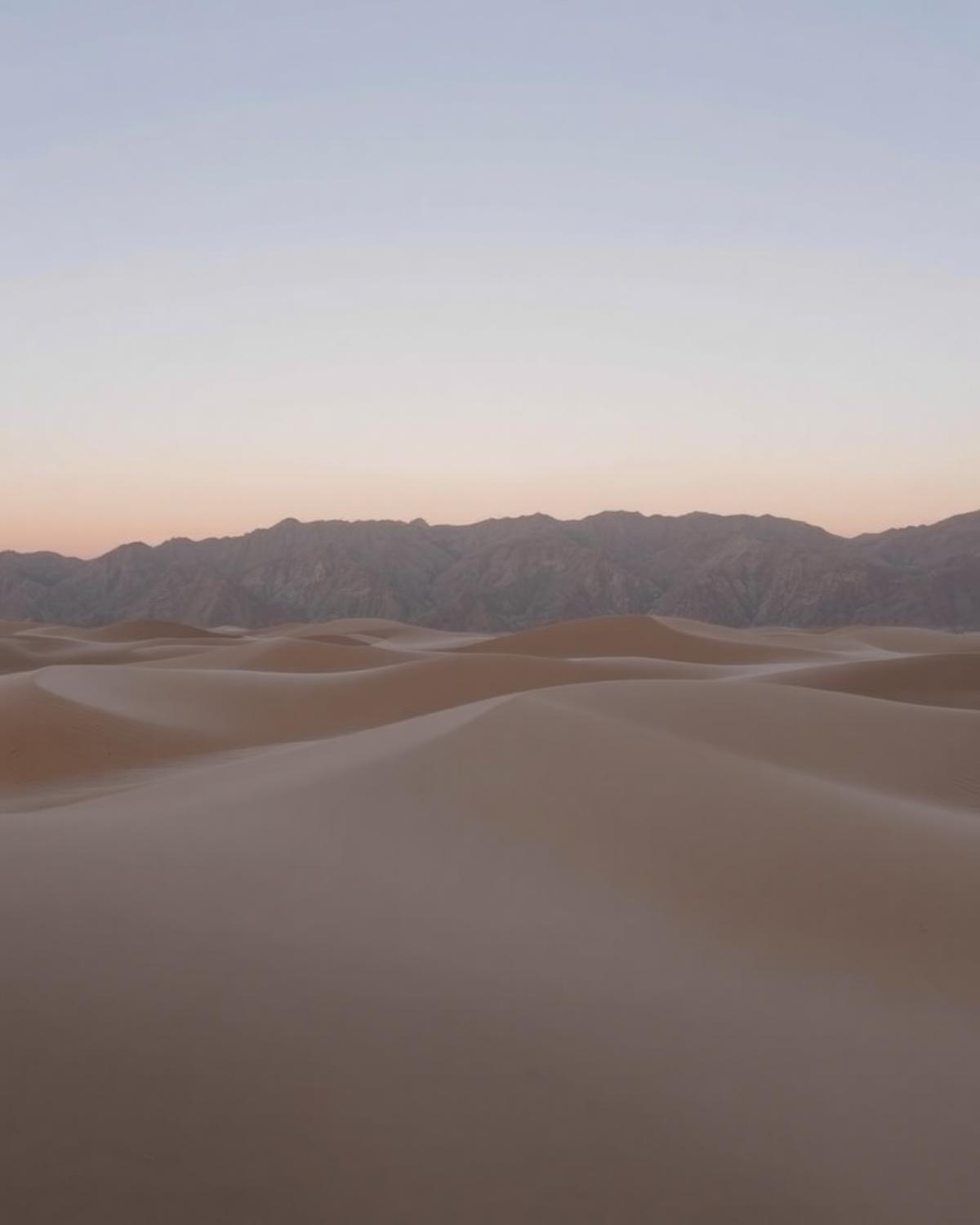
Arcadian Resort sits in Katpana, on the quiet side of Skardu: roughly ten minutes from Skardu Airport, ten minutes from the Katpana cold desert dunes, and fifteen to twenty minutes from the bazaar and Kharpocho Fort.
How we know this
Drive times are what our own drivers and our guests actually take between Katpana and Karimabad in normal conditions, not map estimates, and we give ranges because this road does not produce single numbers. Road lengths, the dates and scope of the Jaglot-Skardu upgrade, settlement elevations and the identity of the transport operators are cited to the published sources below rather than stated from memory. Fares, fuel prices and bus timetables change several times a year in Gilgit-Baltistan, so we describe how they work instead of printing figures that would be wrong by next season. Road status is the one thing no page can be current on: ask us, or ask any hotel at either end, on the morning you travel.
Reviewed: Each season, and after any reported closure on the S-1 or the Karakoram Highway.
Written and checked by the team that runs the house in Katpana, Skardu — the people who watch the Deosai road open and close, book the drivers, and answer the phone at midnight. Our editorial standards.
Sources
Where the figures come from
- S-1 Strategic Highway - Wikipedia ↗
- The 167 km Jaglot-Skardu road, its construction 1970-1982, the December 2021 inauguration of the upgrade and the travel-time reduction.
- Juglot - Wikipedia ↗
- 45 km south-east of Gilgit, elevation 1,988 m, the Gilgit/Skardu road split and the junction of the Karakoram, Hindu Kush and Himalaya.
- Gilgit - Wikipedia ↗
- Elevation 1,500 m; capital of Gilgit-Baltistan.
- Karimabad - Wikivoyage ↗
- 100 km from Gilgit, 2-3 hours by road; the Aliabad bus stand on the KKH.
- Karimabad, Hunza - Wikipedia ↗
- Elevation 2,500 m, the former name Baltit, Baltit Fort and Altit Fort.
- Rakaposhi View Point - Visit Gilgit-Baltistan (official) ↗
- The viewpoint at Ghulmet in Nagar valley, and Rakaposhi at 7,788 m.
- Northern Areas Transport Corporation - Wikipedia ↗
- NATCO as the largest transport company in Gilgit-Baltistan, operating under the Ministry of Kashmir Affairs and Gilgit-Baltistan.
Questions
Skardu to Hunza: common questions
Plan on seven to nine hours from Skardu to Karimabad, door to door, including stops. The published best-case figures for each leg add up to about five and a half hours of pure driving, but almost nobody achieves that: roughly four hours down the S-1 to Jaglot, an hour on to Gilgit, and two to three hours from Gilgit to Karimabad, plus lunch, checkposts and photographs. Leave Skardu at six in the morning and you will arrive comfortably in daylight. Leave at ten and you will be finding your guesthouse in the dark.
Rooms & prices →Start the Hunza drive from ten minutes outside Skardu
Arcadian Hotel & Resort is a sixteen-room house in Katpana, about ten minutes from Skardu International Airport and about an hour ahead of the traffic if you leave early. Rooms are heated, hot water is generator-backed against valley load-shedding, and the kitchen cooks Balti and Pakistani home food.
Deluxe Double rooms are PKR 10,800 a night plus tax and Economy Single rooms PKR 9,180 plus tax. If you are driving to Hunza the next morning, tell the front desk the night before: breakfast can be on the table at half past five, or packed for the car, and we can arrange a driver who has done the gorge road in every season.
To book a room, arrange a car for the Hunza run, or ask what the S-1 looks like this week, call or WhatsApp the front desk on 0310 0973119.
Keep reading