
01
What actually separates one Skardu hotel from another
Five things that decide the night, and none of them are photographs
Skardu hotel listings all read the same: mountain views, garden, restaurant, free parking. None of that tells you whether you will sleep. At 2,230 metres in October the temperature falls off a cliff after sunset, and the difference between a good room and a bad one is heating that works at four in the morning rather than heating that was switched on at nine in the evening.
The second thing is hot water, and specifically whether it survives a full house. A geyser that copes with three guests will not cope with sixteen rooms checking out at seven for the Deosai run. Ask how the water is heated and how many rooms share the supply, not whether hot water exists.
Third is the generator. Load shedding is normal in Gilgit-Baltistan and the honest question is not whether a hotel has a generator but what it carries — lights only, or lights, heating and the water pump. Fourth is distance from Skardu International Airport, which matters more than it looks: flights leave early, and thirty minutes of bazaar traffic at dawn is a different trip from ten quiet minutes out of Katpana.
Fifth, and the one nobody writes down: whether anybody is awake at two in the morning. Delayed flights, altitude headaches, a child who is unwell, a driver who wants to move a departure forward — all of it happens at night. A twenty-four hour front desk staffed by people who live on site is worth more than a lobby chandelier.
The five tests these guides apply
- Heating
- Does the room hold warmth overnight in shoulder season, not just at bedtime?
- Hot water
- Does it survive a full house checking out at the same hour?
- Power
- What does the generator carry — lights, or heating and the water pump too?
- Distance
- Minutes to the airport and to the bazaar, at dawn rather than at noon.
- Staffing
- Is somebody genuinely awake and reachable at two in the morning?
02
Which guide you actually need
Sorted by the traveller, not by the keyword
If you are still deciding on an area rather than a property, start with the area guide: Katpana, the bazaar, the Sadpara road and the Shangrila side are four different trips and the drive times between them decide your mornings. If you have chosen the area and want to compare property types, the honest comparison of guesthouses, camps, city hotels and resorts is the page to read.
If you are travelling with children, the family guide covers connecting rooms, plain food that a six-year-old will actually eat, and why a garden matters more than a play area. Couples on a first trip usually want the honeymoon page, which is mostly about quiet: which rooms face away from the generator and the kitchen, and how dinner works when you would rather not eat in a dining room full of tour groups.
If cost is the deciding factor, go straight to the rates page. It lists the two room types, what each season costs and what the nightly rate covers, including where a low headline price hides a charge you will meet at checkout.
03
How the guides fit together
One question per page, no repetition
Each page below answers a different question and links across to the others where the answer overlaps. They deliberately do not repeat each other: the rates page holds the numbers, the area guide holds the geography, the best-hotel page holds the scoring tests, and the traveller pages hold the practical detail for one kind of trip.
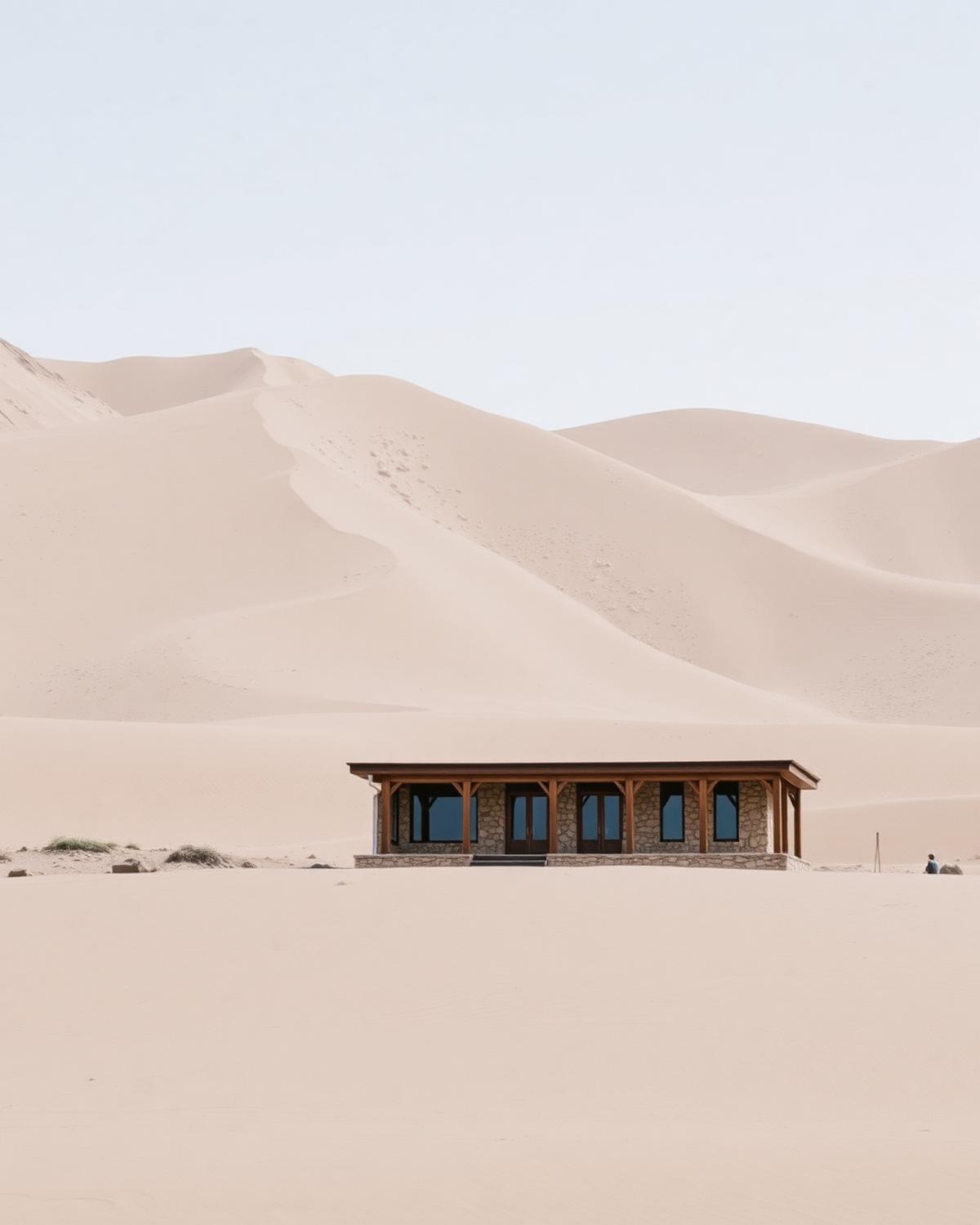
Where a page makes a claim about roads, seasons or fees, it names its source or says plainly that no reliable figure exists. Where it describes our own house — sixteen rooms, ten staff, a garden in Katpana ten minutes from the cold desert — it is describing something we can be held to, and you can call the front desk and check any of it before you book.
Know what you want and just need a room? Call or WhatsApp the front desk and check availability.
Check availabilityEvery guide in this section
The full index
How we know this
Written and checked by the team that runs the house, and reviewed each season.
Reviewed: Each season, and whenever a room rate or a facility changes.
Written and checked by the team that runs the house in Katpana, Skardu — the people who watch the Deosai road open and close, book the drivers, and answer the phone at midnight. Our editorial standards.
Questions
Questions about choosing a Skardu hotel
If you have not chosen an area yet, read the where-to-stay guide first: Katpana, the bazaar, the Sadpara road and the Shangrila side produce very different days, and the drive times between them shape every morning of the trip. Once the area is settled, read the guide that matches your travelling party — family, honeymoon, or the honest comparison of guesthouses, camps and resorts. Leave the rates page until last, because a price only means something once you know what the room has to do for you. All of these pages are listed on this hub with a short description of what each one covers.
Rooms & prices →Start with the question, not the hotel
Every page in this section exists because a guest asked the same question at the front desk enough times that writing it down properly seemed more useful than answering it again. If yours is not covered here, call the front desk and ask; if the answer turns out to be generally useful, it usually becomes a page.
Keep reading