
01
Decoding the Six Types of Skardu Accommodation
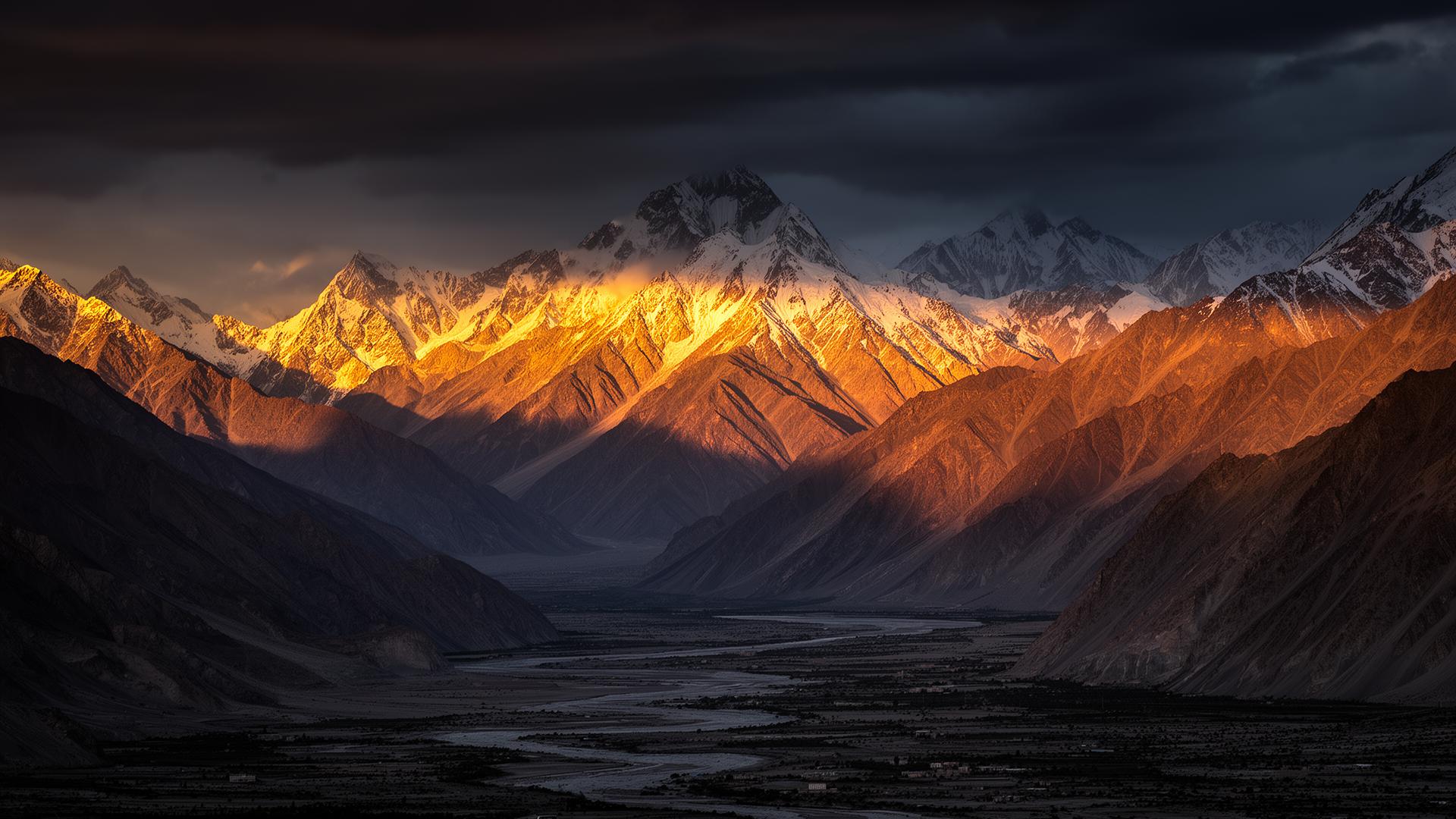
Skardu sits at roughly 2,230 metres above sea level. The brief main season dictates everything about how local buildings operate. April brings the first reliable thaw. October closes the window with sharp frosts. Between these months, the hospitality sector runs at maximum capacity. Managers prepare for a daily influx of overland arrivals. Every resource comes under intense pressure.
The market divides neatly into half a dozen distinct models. None of them represent absolute perfection. Every choice involves trading one convenience for another. You might secure a long view over the Indus, only to find yourself eating cold toast because the kitchen relies on a weak municipal power grid. Understanding these trade-offs is crucial.
Deciding what matters most requires honesty about your own travel habits. Light sleepers struggle in the commercial centre. Those prone to altitude headaches often regret booking remote high-altitude tents. Before you look at prices, you must decide what level of mechanical dependency you are willing to accept during infrastructure failures.
Mapping the Valley
Distances here are highly deceptive. A property might look close to the airport on a digital map, but poor road surfaces easily double the expected travel time. Understanding the physical layout changes how you read a location pin.
02
Budget Guesthouses and the Reality of Bazaar Rooms
“Budget rooms demand flexibility, but they keep you directly connected to the daily rhythm of the town.”
Early morning in the main bazaar sounds like diesel engines and metal shutters. Budget guesthouses cluster tightly along these commercial arteries. They occupy functional concrete buildings stacked two or three storeys high. They offer a locking door, a firm bed, and immediate access to the street for a very low daily rate.
These modest rooms deserve a strong defence. Backpackers and students rely on them for extended trips through Gilgit-Baltistan. You pay a fraction of the price of an out-of-town resort. The immediate proximity to local canteens keeps food costs exceptionally low, and finding shared transport to nearby valleys takes only a few minutes.
The primary sacrifice is environmental control. Insulation is frequently poor, meaning rooms bake by afternoon and freeze by midnight. Street noise starts long before dawn. Bathrooms rely on small electric geysers that struggle to heat water during frequent grid outages. You trade modern comforts for raw practicality and central positioning.
03
Mid-Range City Hotels Behind the Main Streets
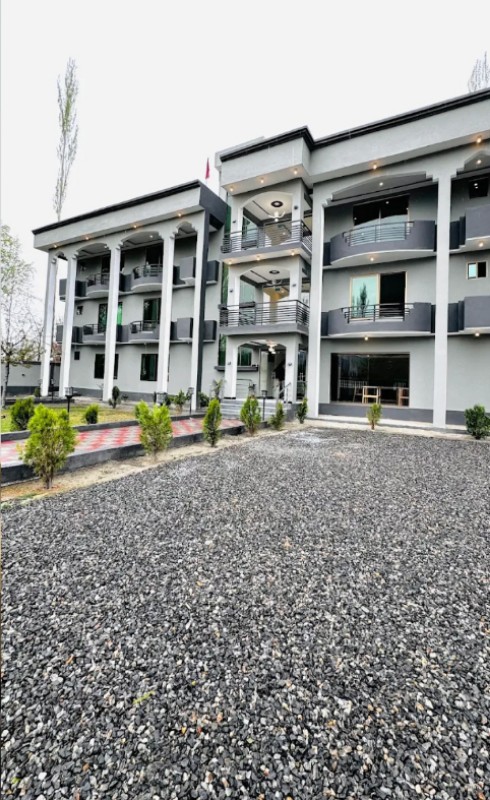
Moving one or two streets back from the main market changes the atmosphere entirely. Mid-range city hotels operate in these slightly quieter residential pockets. They usually occupy custom-built commercial blocks equipped with dedicated reception desks, dining halls, and reliable backup generators that kick in when the municipal supply fails.
Families and domestic tour groups favour these properties heavily. The rates sit comfortably in the middle of the market. You get reliable nighttime security, a structured check-in process, and usually a basic breakfast buffet included in the room rate. The staff can arrange standard transport with trusted drivers at short notice.
Common friction points involve view and ventilation. Many rooms look directly onto neighbouring brick walls or narrow alleys. Generator noise frequently vibrates through the floorboards during evening power cuts. You sacrifice visual charm for administrative reliability, which often suits groups travelling with young children or older relatives.
04
Lakeside Estates and Out-of-Town Resorts
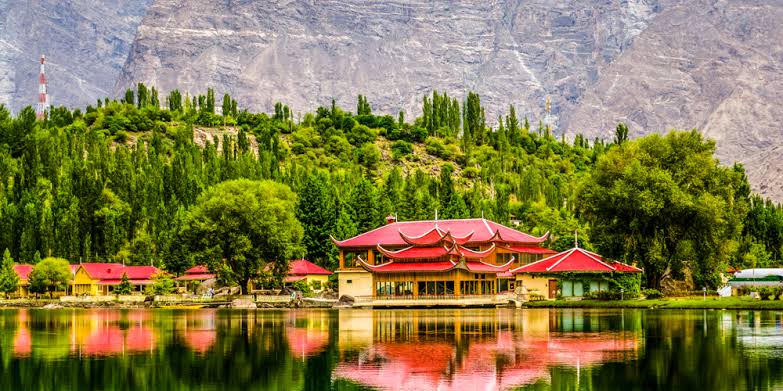
Lower Kachura and Satpara present a totally different proposition. Properties here sell absolute isolation and direct water access. The architecture leans heavily toward timber cabins and sprawling garden estates built directly onto the shoreline. The air feels noticeably cooler here in mid-summer, blowing directly off the deep waters.
You pay handsomely for the privilege of waking up to reflections on the lake. These properties suit couples and older travelers who intend to spend whole days reading on a private terrace. The grounds isolate you entirely from the dust and traffic of the commercial centre. Service is generally highly attentive.
Isolation brings strict physical limitations. Driving into town for a simple pharmacy run takes thirty minutes each way. You become totally captive to the hotel kitchen for your evening meals and the hotel desk for any transport arrangements. If the property lacks an inspired chef, you will eat mediocre food.
Compare our quiet Katpana setting
View Our Rooms05
Luxury Camps and Glamping Across the Cold Deserts
Sarfaranga and Katpana host a growing number of canvas and geodesic dome camps. They pitch directly on the pale dunes. The visual impact is undeniable, especially under the clear night sky of the Karakoram. Fire pits and low seating create a highly striking aesthetic against the barren sand.
Peak season brings premium rates for these structures. You are paying for the sheer novelty of the location rather than traditional brick-and-mortar comfort. Facilities usually include attached bathrooms built into the back of the tents and dedicated dining marquees that serve buffet dinners. They photograph exceptionally well.
The elements test these structures severely. Wind whips across the dunes most afternoons, rattling the canvas loudly. Night temperatures drop sharply, requiring heavy blankets even in August. Thin walls offer zero soundproofing from neighboring tents or howling stray dogs. They require a high tolerance for natural exposure.
Managing Expectations for Canvas Stays
Two nights is usually the maximum comfortable duration for a desert camp. Fine dust inevitably infiltrates your luggage. The novelty wears off quickly once you realise you cannot walk barefoot on the cold floor.
06
Homestays, Village Rooms and Restored Heritage Stays
Heritage restoration has completely transformed the valleys of Shigar and Khaplu. Four-hundred-year-old forts now operate as high-end accommodation. They offer thick stone walls, carved timber balconies, and walled orchards of apricot and cherry trees. Staying inside these structures feels deeply connected to the royal history of Baltistan.
Homestays in the surrounding villages provide a humbler version of this historical immersion. Local families rent out spare rooms, serving simple meals prepared in their own kitchens. The money goes directly into the rural economy. You eat what they eat, and you sleep under traditional heavy quilts.
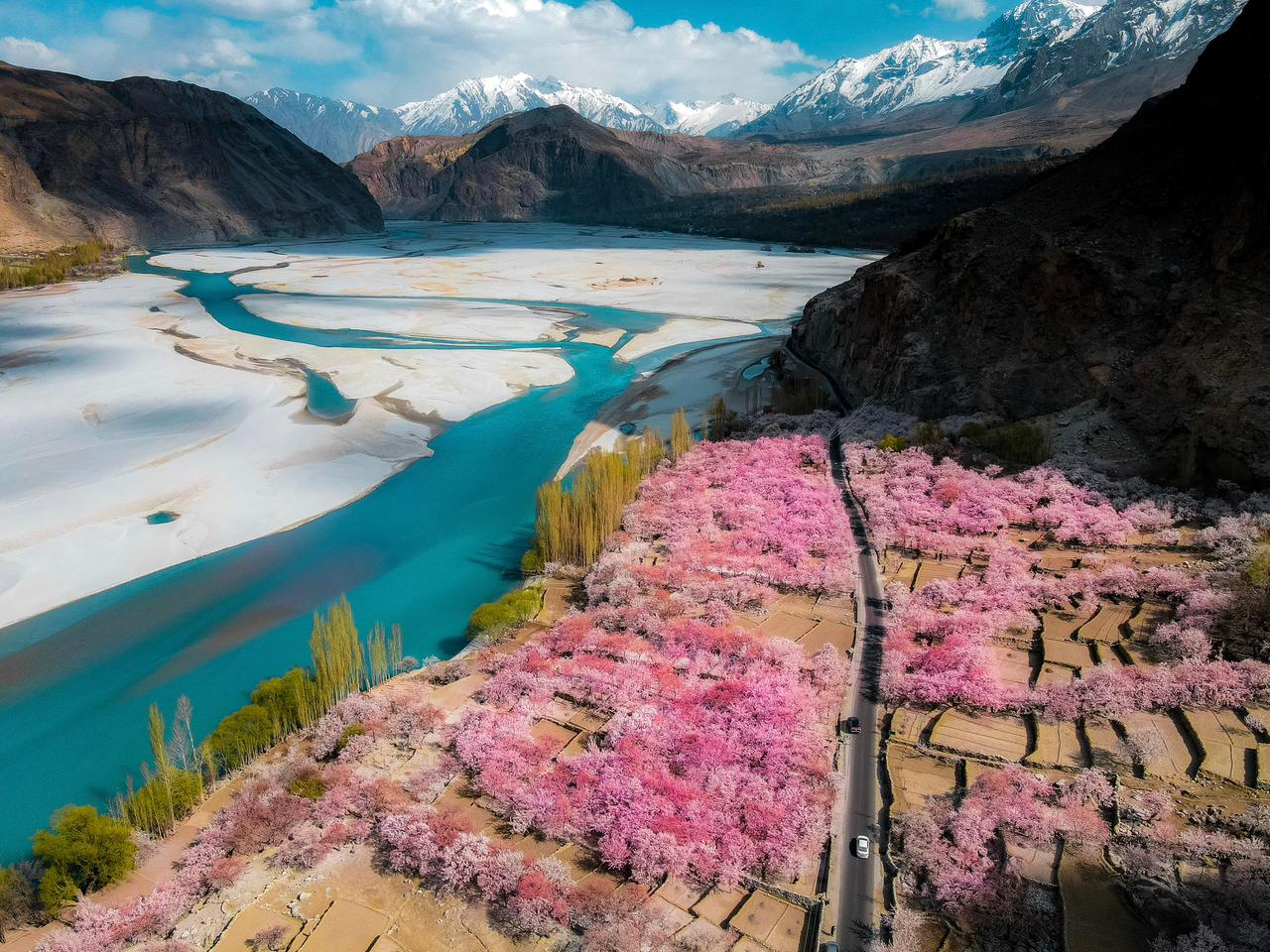
Distance remains the primary obstacle here. Shigar sits forty-five minutes from the airport. Khaplu requires two and a half hours of driving. Neither location works as a daily base for exploring the opposite side of the region. They serve best as distinct stops on a longer regional itinerary.
07
Serviced Apartments and Long-Stay Rentals
Extended visits demand different infrastructure. Serviced apartments appear slowly across the residential sectors of the city. They typically offer two bedrooms, a small sitting area, and a functional kitchen with a gas stove. They sit quietly in neighborhoods away from the transient daily tourist traffic.
Travellers staying longer than ten days find these setups invaluable. Cooking your own vegetables and boiling your own water cuts daily expenses drastically. It also provides welcome relief from heavy restaurant meals. Having a separate room to read or work changes the psychology of a long trip.
The market remains highly fragmented. Professional management is notably rare. You often rent directly from an absent landlord, making maintenance requests highly complicated when the plumbing fails or the gas cylinder runs empty. You must advocate for yourself aggressively to get basic repairs completed.
Verification Before Arrival
Securing a reliable long-stay unit requires local contacts. Digital listings rarely reflect the actual working condition of the cooking equipment or the stability of the local grid connection.
08
Six Essential Questions to Ask Before You Pay
Booking platforms actively obscure vital details about how a property actually runs. Photographs show the building at its absolute best, usually just after construction. You need highly specific answers before transferring a deposit or fully committing your travel dates to a single location.
Electrical grids in Gilgit-Baltistan fluctuate wildly. A hotel without an independent power strategy will leave you sitting in the dark every evening. Water pressure drops equally fast when municipal lines freeze or fail. Assuming Western standards of infrastructure will lead directly to frustration.
Early communication reveals intent. A host who answers direct questions vaguely will likely handle on-site problems the exact same way. Ask these six exact questions via message. Gauge the clarity and speed of the response before you hand over your credit card details.
Critical Pre-Booking Checks
- Generator strategy
- Do they run the backup constantly during cuts, or only between specific evening hours?
- Water heating
- Are there dedicated geysers per room, or a central boiler that runs cold quickly?
- Road access
- Can a standard car reach the front door, or does it require a jeep?
- Breakfast timing
- Will the kitchen serve food early enough for an eight o'clock airport departure?
- Payment forms
- Do they accept card payments on site, or is cash required upon checkout?
09
Spotting Red Flags in Photographs and Listings
“If a property refuses to show the bathroom in its listing gallery, you can safely assume the plumbing is a problem.”
Digital listings require a highly critical eye. Wide-angle lenses distort room proportions heavily, making cramped spaces appear vast. High saturation sliders turn brown winter grass into fluorescent green lawns. Most properties look significantly rougher in person than they do on an international booking site.
Geography suffers the most abuse in online descriptions. Properties frequently claim to sit right next to major landmarks. In reality, a mountain range or a badly broken road sits between the building and the attraction. Always verify the physical address against a satellite map.
Bathroom documentation tells the truest story. A listing with twenty photos of the view and zero photos of the shower indicates a deliberate omission. Missing window shots usually mean the room faces a concrete wall. Trust what they refuse to show you.
10
Where Our Sixteen-Room House Sets Its Boundaries
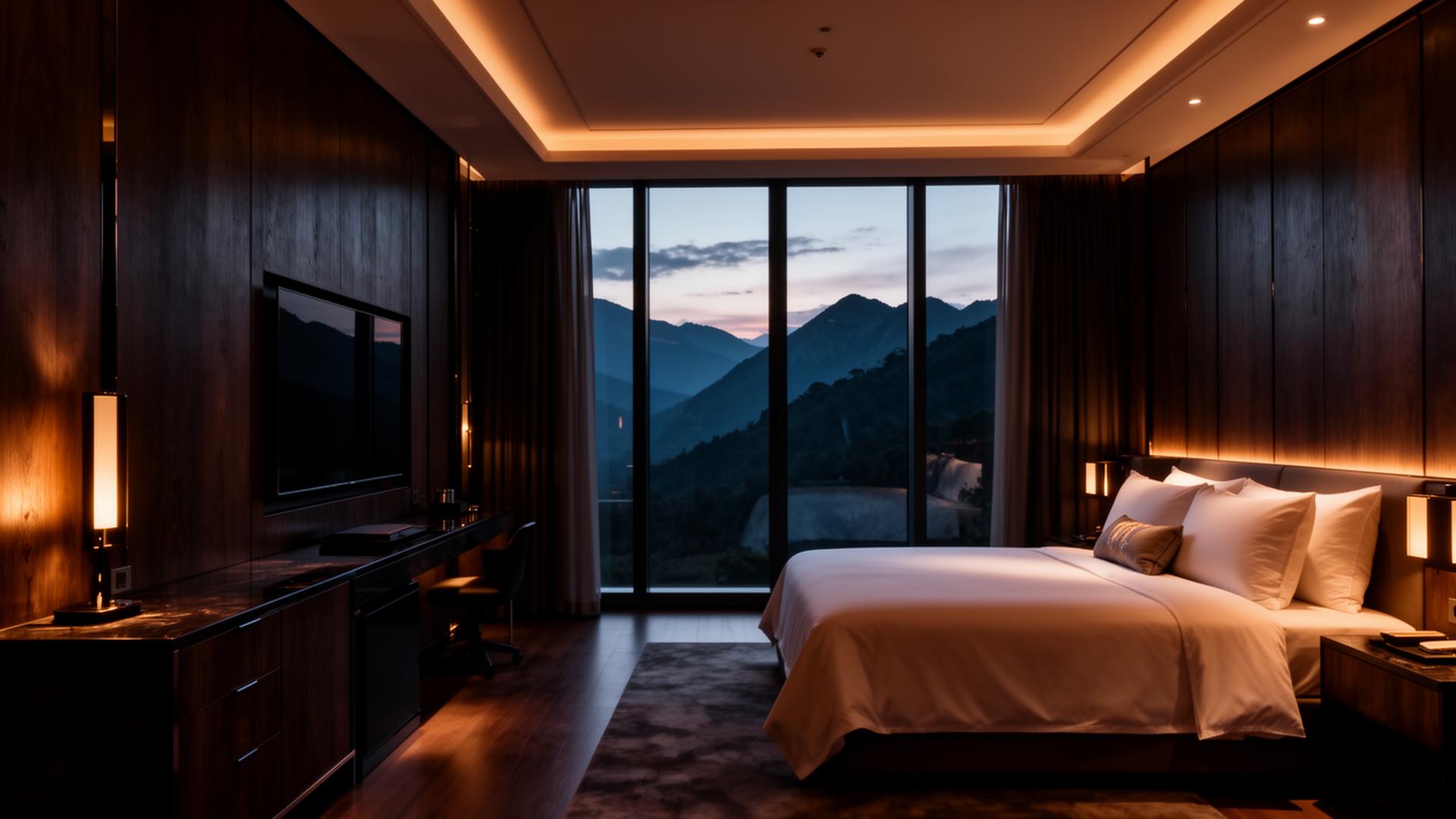
Arcadian Resort Skardu operates sixteen rooms roughly ten minutes from the airport. The Katpana cold desert sits entirely on our doorstep. We are not a sprawling high-altitude camp, nor are we a busy concrete block resting in the commercial centre. A dedicated team of ten manages the property. We offer a quiet base for travellers who value reliable warmth, simple logistics, and a genuinely peaceful night.
Our kitchen focuses heavily on Balti cooking. We serve mamtu, prapu, and apricot soup, alongside standard Pakistani dishes and simple continental food. Breakfast starts at six in the morning for early flights. We guarantee thick bedding, reliable room heating, and a wood-burner in the common area from October onward. A car with a local driver remains readily available for guided day trips across the valley.
We do not pretend to suit everyone. We provide hot water reliably in the early morning, but you must ask if you require it late at night. We lack a spa, a massive pool, and the manicured lawns of the distant estates. If you demand absolute urban entertainment or a heavy resort infrastructure, you should book elsewhere. For a quiet, authentic base, we remain ready.
Arcadian Dimensions and Distances
- Scale
- Sixteen rooms and a dedicated house team of ten.
- Airport runs
- Roughly ten minutes to the runway and the nearby cold desert dunes.
- Town access
- Fifteen to twenty minutes to reach the main market and Kharpocho Fort.
- Deosai transit
- Roughly two and a half hours to reach the high-altitude plateau.
- Platforms
- Bookable direct, or via Booking.com, Agoda, Skyscanner and Marvelous Holidays.
Talk to our front desk
Contact Us DirectlyQuestions
Common Questions About Skardu Accommodation
The main bazaar offers dozens of basic guesthouses catering to domestic students and transient backpackers. These functional concrete blocks provide a locked door, a firm bed, and a ceiling fan for very little money. Physical safety is generally excellent across Gilgit-Baltistan, and outright theft remains incredibly rare inside hotels. The real cost comes exclusively in the form of comfort. You will endure early morning diesel noise, street dust, and frequent power cuts without generator backup. For travelers on a strictly monitored budget who plan to spend entirely all day outdoors, these market properties provide a highly practical base.
Rooms & prices →Making Your Final Decision on Skardu
The ultimate success of a trip to Baltistan hinges heavily on where you sleep. A building that looks visually perfect on a digital map might leave you shivering in the dark or sitting in two hours of daily traffic. Decide exactly which specific comforts you cannot live without, and heavily discount the rest. Accept the strict limitations of the altitude, prepare for the inevitable logistical delays, and choose a base that matches your actual daily itinerary rather than a fantasy of complete mountain isolation.
If a quiet room near the Katpana desert with thick bedding and honest Balti food sounds like the right balance for your trip, check our valley and mountain view availability. Dial or message 0310 0973119 to speak directly with our front desk about the upcoming season. We stand ready to help you plan properly.
Keep reading