
01
Should You Actually Bring Children to Baltistan?
The short answer is yes, if you manage expectations. Parents often arrive with aggressive itineraries, planning to conquer Deosai National Park rapidly. That pace breaks small children. Skardu sits at 2,230 metres above sea level. The thinner air and long distances stretch out on uneven roads. You have to travel slowly and deliberately when moving as a family unit.
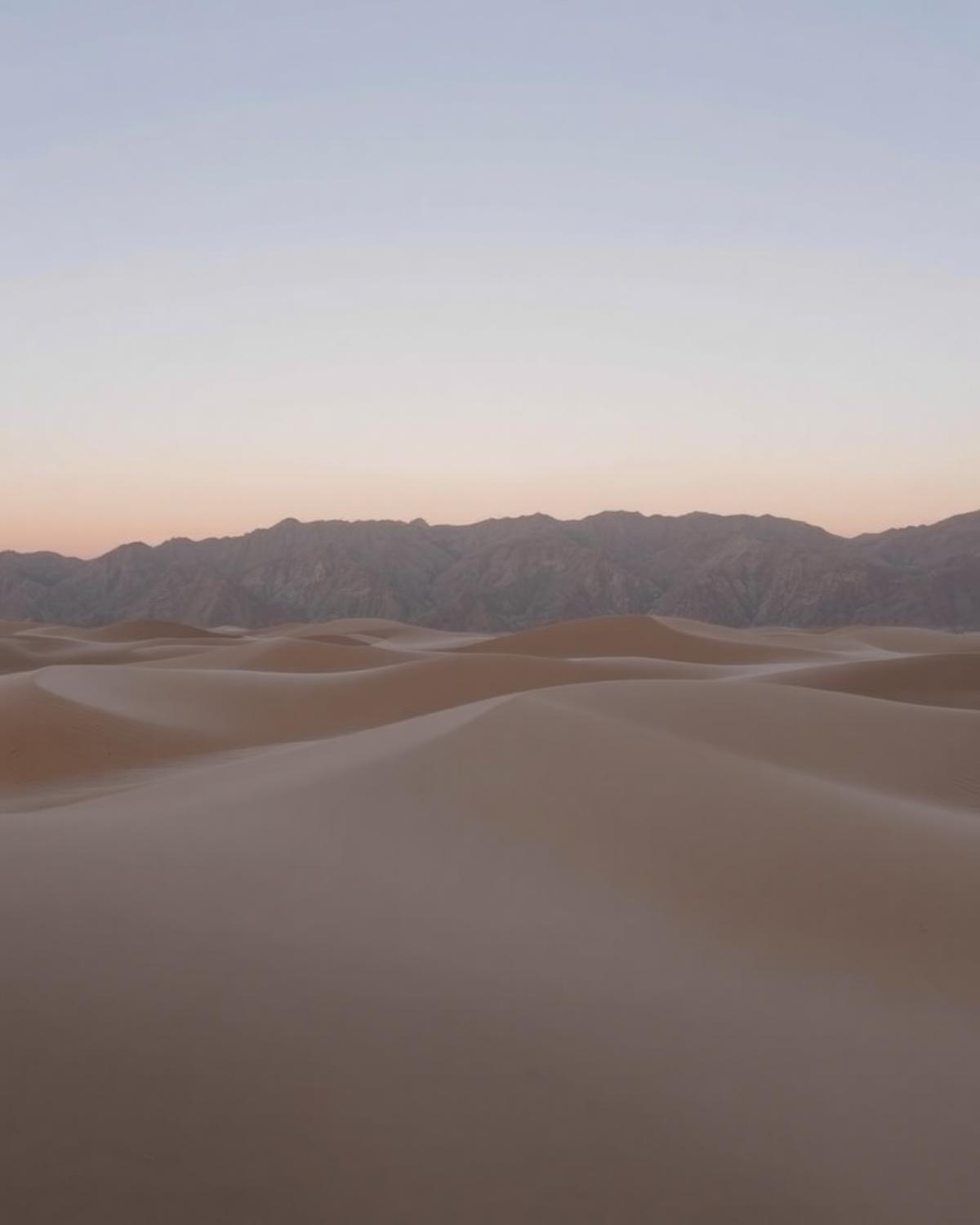
A sensible family trip looks completely different from a solitary trekking expedition. It means accepting that some days will be spent entirely on our grounds, reading or walking into the Katpana cold desert nearby. Children do not care about conquering mountain passes. They care about sand dunes, stray cats, and steady Wi-Fi. Keep the daily objectives incredibly low.
Bringing a grandmother along adds another layer of pacing. You must balance the physical limits of an older traveller with the restless energy of a child. Choosing the right accommodation matters here. If your base lacks heating in October, or requires climbing stairs for breakfast, everyone suffers. Hard boundaries exist, and acknowledging them early saves deep frustration later.
02
The First 24 Hours: Altitude, Sleep and Small Bodies
Children process altitude differently than adults. At 2,230 metres, they might not complain of a headache, but they will likely act out, refuse dinner, or struggle to fall asleep. The first twenty-four hours dictate the rhythm of the entire trip. Do not book a jeep tour upon arrival. The sole objective of day one is simple acclimatisation and heavy hydration.
Sleep schedules typically shatter on the first night. Unfamiliar bedding, dropping evening temperatures, and travel adrenaline keep young minds racing. Keep the curtains drawn and the room warm. Every room here has reliable heating to combat the chill that descends once the sun drops behind the Karakoram. Expect early wakings and plan a thoroughly slow morning routine for the household.
Grandparents face similar atmospheric hurdles, often manifesting as extreme fatigue. Encourage everyone to drink more bottled water than they think they need. Our front desk can always fetch extra blankets or hot tea. Spend that first afternoon simply sitting in the garden, watching the light change on the valley walls. Do nothing strenuous until the second morning at the earliest.
03
The Flight Versus the Two-Day Drive
The forty-five-minute flight from Islamabad is undeniably the kinder option for a family. When the weather holds, it is a spectacular hop over the Himalayas. However, flights cancel constantly due to cloud cover. You must prepare the household for the sudden reality of a grounded plane and a frantic pivot to the road. Never promise a child they will fly.
The overland route via the Karakoram Highway is a different beast entirely. It is roughly twenty hours of driving, split over two days, with an overnight stop. For a seven-year-old, two ten-hour days strapped into a seat is a monumental test of endurance. For a grandmother, the constant jolting takes a physical toll on the spine. It is safe but grueling.
If forced to drive, over-communicate the plan. Pack an arsenal of dry snacks, download offline entertainment, and insist the driver stops every two hours. We arrange airport transfers for fliers, but we regularly welcome families stepping out of a car, exhausted and needing immediate hot water. Let the front desk know your tracking status so we are fully prepared.
The Brutal Maths of Travel Time
- Islamabad to Skardu Flight
- 45 minutes (frequently cancelled for weather)
- Islamabad to Skardu Overland
- 20 hours driving over two days
- Airport Transfer
- 10 minutes to the hotel desk
04
Structuring Your Sleep: Rooms for Three Generations
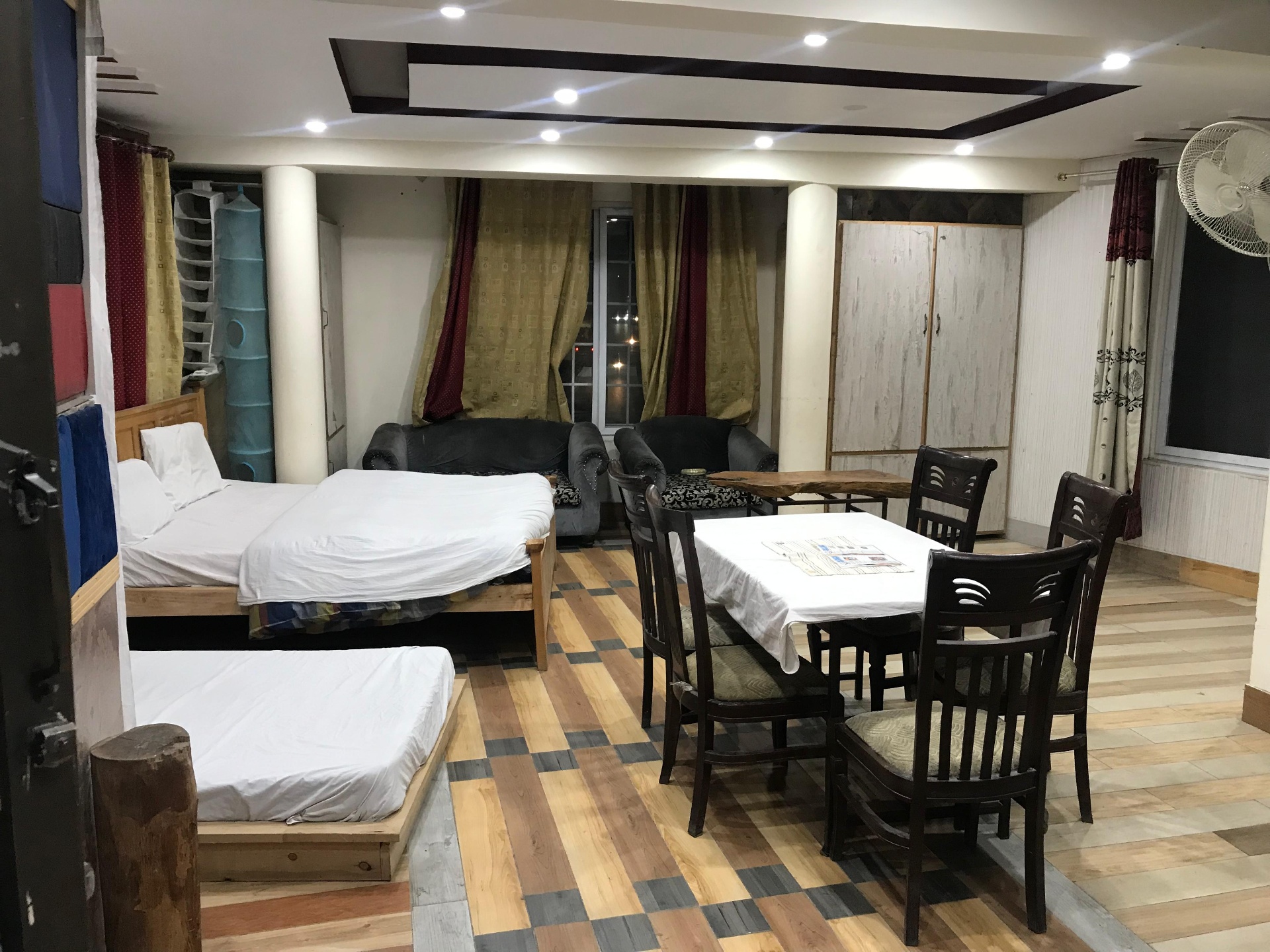
We operate sixteen rooms, split into just two types, so the decision is simpler than it sounds. The Economy Single Room is a compact, single-bed option best kept for a solo relative or an extra adult in the party who is happy with a simple, quiet space and free Wi-Fi.
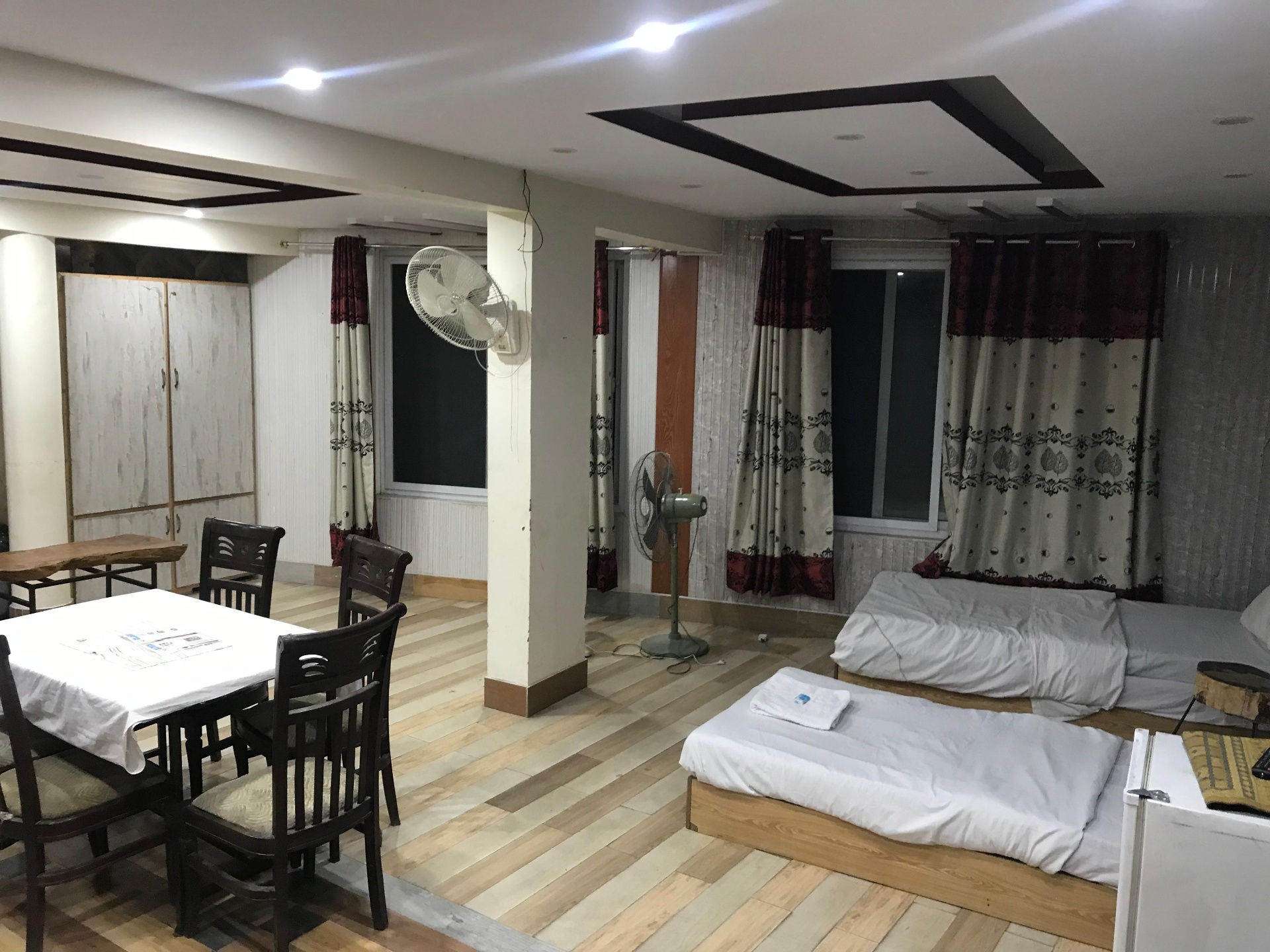
Parents and children generally need more space, and this is where the Deluxe Double Room earns its keep. It comes with one double bed, a private balcony over the lake, air conditioning, a flat-screen television and its own dining area, giving a young family enough room to actually spread out. We only hold a handful of these, so book early for peak weeks.
Managing luggage across the hotel is another factor to consider. The team is always on hand to carry suitcases to your room. If children insist on dragging their own bags, the wide landings provide enough space to avoid a bottleneck. We want the physical movement around the house to feel effortless.
Proximity Without Connecting Doors
We lack traditional adjoining doors, but we manage proximity carefully. By booking several Deluxe Double Rooms together, a family effectively claims that stretch of the corridor. Knowing exactly who sleeps where, and how far they have to walk in the dark, removes a heavy mental load for the parents.
Discuss exactly which rooms fit your family layout.
Message the Front Desk05
Feeding Fussy Eaters from a Balti Kitchen
Balti cuisine is hearty and distinct, leaning heavily on wheat, apricot, and walnuts. A mature palate appreciates the subtle notes of prapu. A seven-year-old presented with walnut bread might flatly refuse to eat. Hunger combined with altitude is a recipe for a meltdown. Catering to fussy eaters is a daily reality for our kitchen team, and we expect specific requests.
We keep things flexible. Alongside local specialities, we cook standard Pakistani dishes and simple continental food. If your child only eats plain rice, boiled eggs, or heavily toasted bread, tell the front desk. We pour tea all day, and our three cooks are accustomed to adjusting spices downward. Do not feel embarrassed asking for entirely unseasoned chicken. We understand completely.
Breakfast starts from 6 AM, largely to accommodate early flights, but it serves families dealing with dawn awakenings perfectly. Securing plain carbohydrates first thing in the morning solves half the day's problems. Bringing your own familiar packaged snacks from home is still highly recommended to bridge the gap between structured meals when travelling out to the remote local lakes.
06
The Shape of a Day With a Seven-Year-Old
“Children do not care about mountain passes. They care about sand dunes, stray cats, and steady Wi-Fi.”
Without a structured resort kids' club, a day in Baltistan requires parental imagination. Fortunately, the Katpana cold desert sits practically on our doorstep. It is roughly ten minutes away. To a child, these dunes are a giant sandbox. Let them run up the ridges and slide down the sandy faces while the adults watch the Karakoram range turn deeply pink.
Kharpocho Fort offers a different kind of morning out. Fifteen to twenty minutes away, the ancient structure involves a steep, uneven walk that feels like a genuine adventure for young legs. It burns off morning energy rapidly. By noon, the high altitude sun dictates a retreat indoors. This is when you lean on the Wi-Fi for quiet screen time.
Late afternoons are for smaller discoveries. Wander the local bazaar, or stay at the hotel and let them inspect the garden. We are a small team of ten, and our owner-host frequently points out local birds or explains how the wood-burner works. Small, unstructured moments often anchor their memories far more than the major landmarks you travelled to see.
07
Grandparents in Tow: Stairs, Slow Mornings and Short Trips
The logistics of older travellers closely mirror those of young children. Both require slow mornings, easy terrain, and proximity to a clean bathroom. Satpara Lake is just twenty-five minutes by car, offering beautiful flat shores where a grandmother can sit on a camp chair while the child throws stones. No arduous trekking is required to enjoy the dramatic landscape here.
Shangrila in Lower Kachura is another low-impact excursion. Roughly thirty minutes from our front door, it provides manicured pathways and gentle boat rides. It is far more accessible than the rugged two-and-a-half-hour jeep track up to Deosai. Curating a short-trip list prevents physical exhaustion and keeps the peace. Save the long, bumpy rides for a future visit with teenagers.
We also recognise that older travellers may simply want to opt out of an afternoon excursion. If the family heads out to the bazaar, a grandmother can comfortably remain in the common room. We light the wood-burner from October onwards, creating a warm, quiet corner for reading.
Bypassing the Stairs Entirely
Back at the hotel, accessibility remains our priority for older guests. Ground floor rooms bypass stairs entirely. We ensure hot water is reliably available in the early morning for aching joints, and our staff are always ready to carry bags or fetch an extra chair. Treating older family members with quiet dignity is a basic tenet of our northern hospitality.
08
Safety and Medical Realities on the Ground
Let us speak plainly about safety. Traffic in the central bazaar is chaotic, and pavements are rare. Hold small hands firmly near moving vehicles. Street dogs are common and generally docile, but children should be taught not to approach them. These are standard precautions for any busy town, but the remote setting often makes parents hyper-vigilant. Keep them close always.
Water requires absolute discipline. Only hand them bottled water, even for brushing teeth. A stomach bug at this elevation is serious, and local medical facilities are not where you want to spend your holiday. We use a generator backup to ensure lights stay on during power cuts, keeping hallways safe for anyone navigating a midnight bathroom run in the dark.
Our front desk is staffed twenty-four hours a day. If a child spikes a fever at 2 AM, or you urgently need extra blankets, someone is awake to help. We are fundamentally a family-run house, and we understand the anxiety of having dependants in a remote valley. Knowing someone local is actively watching the door lets parents sleep securely.
Safety Protocols at the Resort
- Power Backup
- Generator on-site for routine outages
- Water Supply
- Bottled water strictly provided and enforced
- Front Desk
- Staffed 24 hours for midnight emergencies
- Local Animals
- Street dogs present but generally docile
09
A Realistic Four-Day Family Itinerary
“An empty fourth day absorbs weather delays without ruining the schedule.”
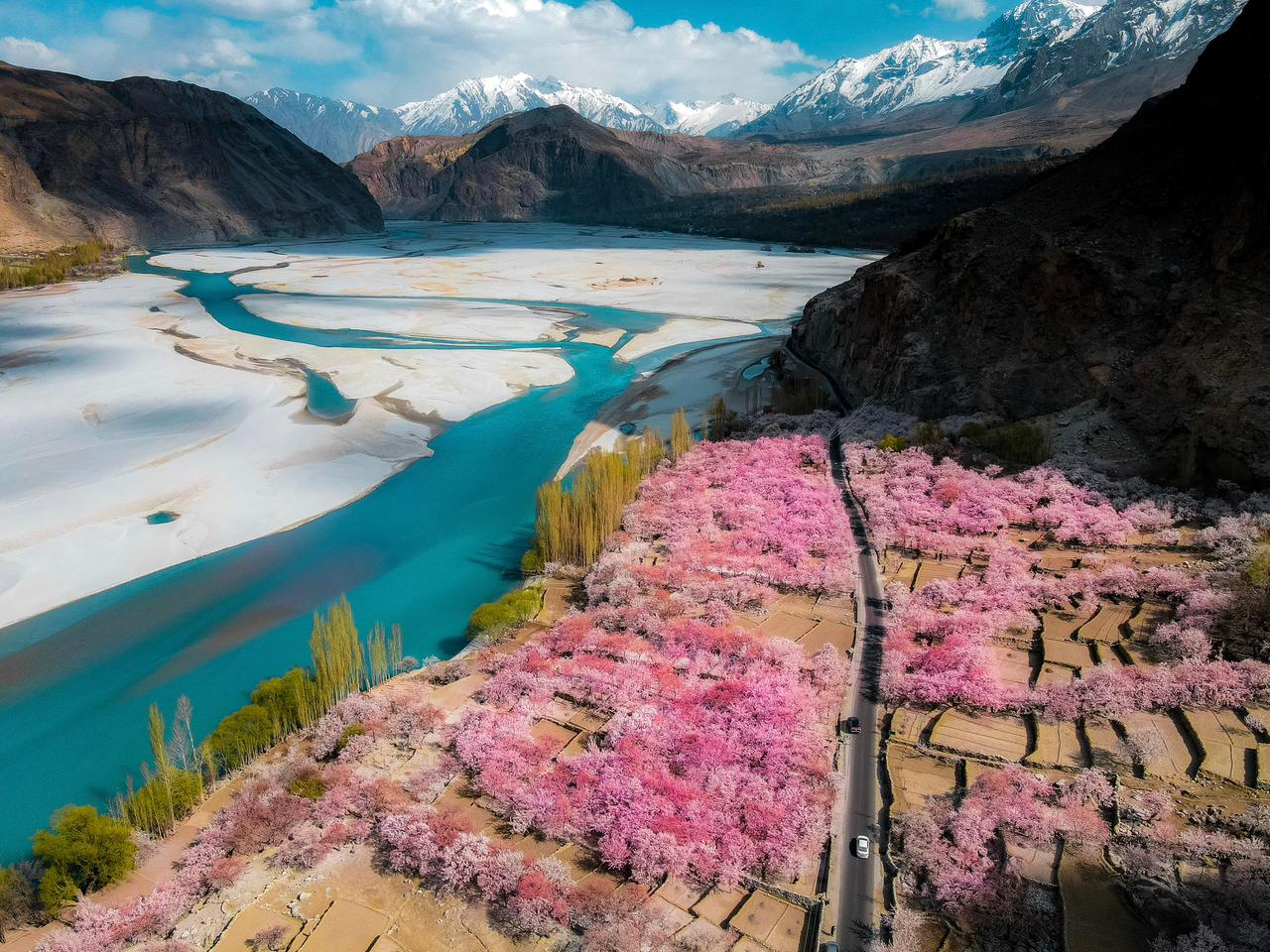
Four days is the sensible minimum for a three-generation trip. Dedicate the first day entirely to arriving, unpacking, and acclimatising near the Katpana dunes. On day two, attempt the short drive to Shangrila and Lower Kachura before lunch, returning for a quiet afternoon. The third day can stretch slightly further out to Shigar, forty-five minutes away on smooth pavement.
We always advise building in a buffer day. Weather here shifts rapidly, grounding your return flight or making a specific drive unappealing. An empty fourth day absorbs those delays without ruining the schedule. If the sunshine holds, use that spare time to revisit the bazaar or simply let the child dictate the morning pace. Flexibility is your greatest asset here.
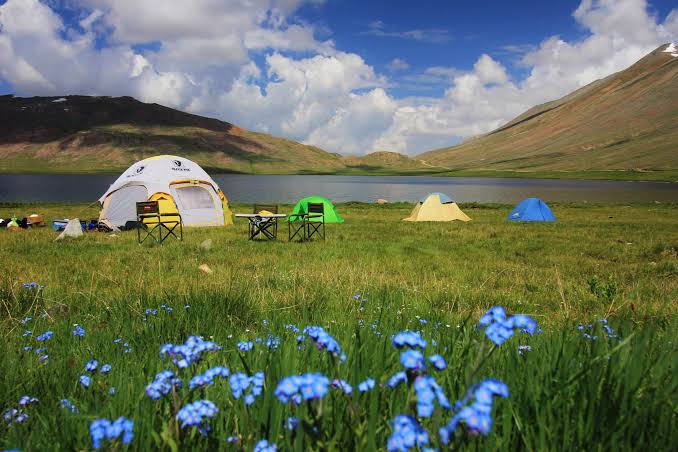
Avoid the temptation to push out to Deosai National Park with very young or elderly family members. It involves two and a half hours of bone-rattling jeep tracks each way. A miserable, exhausted car full of relatives is a steep price to pay for a photograph of the plains. Keep the radius tight and the spirits high for everyone involved.
10
The Packing List Nobody Sends You
Standard mountain gear lists completely ignore the realities of a seven-year-old. Pack thick socks for the hotel floors, which stay cold even when our heating runs. Bring children's paracetamol, rehydration sachets, and adhesive bandages. Hunting down a specific paediatric suspension in an unfamiliar bazaar while your child cries is an avoidable stress. Bring your own trusted medical kit from home.
Layering is vital. October mornings are biting, but by noon the sun causes sunburn. T-shirts under heavy fleeces work better than single, massive coats. Pack a dedicated wet bag for muddy shoes or soiled clothes, as laundry turnaround requires time. We handle washing on-site, but having an immediate containment system for messes keeps the hotel room livable for three generations.
Do not underestimate the dust. The desert is magnificent, but fine sand inevitably finds its way into the seams of your clothing. Packing a small brush to clean off trousers before entering the bedroom prevents the sheets from feeling gritty by the second night. Small preventative measures completely save your sanity.
Entertainment for the Analogue Hours
Finally, bring physical entertainment that does not require electricity. Wi-Fi is available, but bandwidth in Gilgit-Baltistan fluctuates. A deck of cards, colouring books, or a few small toys save an evening when the connection drops. The goal is self-sufficiency. Bring what you need to keep your unit functional, and let us handle the food, warmth, and heavy lifting here.
Let us help you finalise the logistics of your trip.
Call the HotelQuestions
Practical Logistics for Families
We generally advise that children should be at least five years old before tackling a trip to Gilgit-Baltistan. The high altitude of 2,230 metres places a subtle strain on small bodies, and toddlers lack the vocabulary to explain a dull headache or nausea. The long travel days, via a delayed flight or a grueling twenty-hour drive, demand a baseline of patience that infants simply do not possess. Older children can handle the bumpy roads and appreciate the massive sand dunes across the valley.
Rooms & prices →Making the Final Call
Bringing three generations to Gilgit-Baltistan is not a casual undertaking. It requires careful planning, a flexible attitude towards the weather, and an acceptance of the region's rugged limits. But the reward is watching your child slide down a silent sand dune at dusk, miles away from their normal routine. We provide the reliable base camp to make those specific, quiet moments possible without burning out the adults.
When you are ready to stop doing the mental arithmetic and start securing the logistics, reach out directly. We can discuss exactly which floor works best for your mother and how we can adapt the menu for your child. Call or send a WhatsApp message to our front desk at 0310 0973119. We will walk you through the reality of the roads and lock in the right rooms.
Keep reading